


Metal packaging may seem straightforward at first. But there are several details that are involved behind the scenes; manufacturers use different construction methods depending on the product, production requirements, and packaging goals. Two of the most common options are two-piece and three-piece cans, and understanding the difference can help businesses make smarter packaging decisions.
When it comes to tin cans, the distinction between two-piece and three-piece designs is surprisingly important. Experts from uCan-Packaging, a leading global wholesaler, explain that each construction method offers unique advantages in terms of manufacturing efficiency, strength, customization, and cost. While consumers may never notice the difference, packaging engineers certainly do.
What Is a Two-Piece Can?
A two-piece can is created using only two components:
- A body and bottom formed from a single metal piece
- A separate lid attached after filling
Since the body and base are made together, there is no side seam running along the container. This creates a smooth appearance and helps reduce the amount of material used during production.
Two-piece designs are commonly found in
- Soft drink cans
- Beer cans
- Energy drink packaging
- Other high-volume beverage applications
Their lightweight structure makes transportation slightly more efficient, which manufacturers appreciate.
What Is a Three-Piece Can?
Three-piece cans are constructed from:
- A cylindrical body
- A separate top
- A separate bottom
The body begins as a flat metal sheet that is rolled into shape and joined along a side seam. The top and bottom ends are then attached.
This design provides greater flexibility during manufacturing. Different heights and diameters can be produced more easily, making three-piece containers a popular choice for many food products.
You will often find them used for:
- Canned vegetables
- Soups
- Sauces
- Powdered products
Major Differences Between the Two
1. Construction Method
Two-piece cans:
- No side seam
- Body and bottom formed together
- Simpler structure
Three-piece cans:
- Include a welded or sealed side seam
- Built from three separate components
- Greater dimensional flexibility
2. Production Efficiency
Two-piece containers are ideal for large-scale manufacturing because they can be produced quickly and consistently. Three-piece designs offer more versatility when unique container sizes are needed.
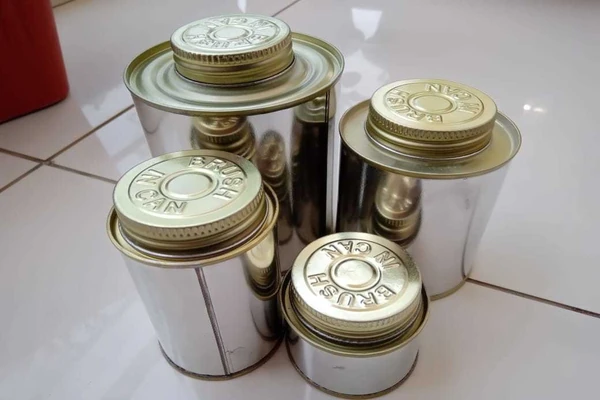
3. Packaging Flexibility
Three-piece containers allow manufacturers to create a wider range of shapes and dimensions. This flexibility is particularly useful for food brands with specialized packaging requirements.
4. Material Usage
Two-piece designs often use less material and weigh less, which can be beneficial for high-volume distribution systems.
Why Does It Matter?
The can design influences more than appearance.
It can affect:
A beverage producer focused on speed and volume may prefer a two-piece design. A food manufacturer requiring specific dimensions may find a three-piece container more practical.
Final Thoughts
Although two-piece and three-piece cans may appear nearly identical on store shelves, they differ significantly in construction, manufacturing processes, and intended applications. Each design offers unique benefits related to strength, efficiency, customization, and cost.
By understanding these differences, manufacturers can choose packaging solutions that better match product requirements, operational goals, and long-term business strategies while maintaining reliable product protection.
