

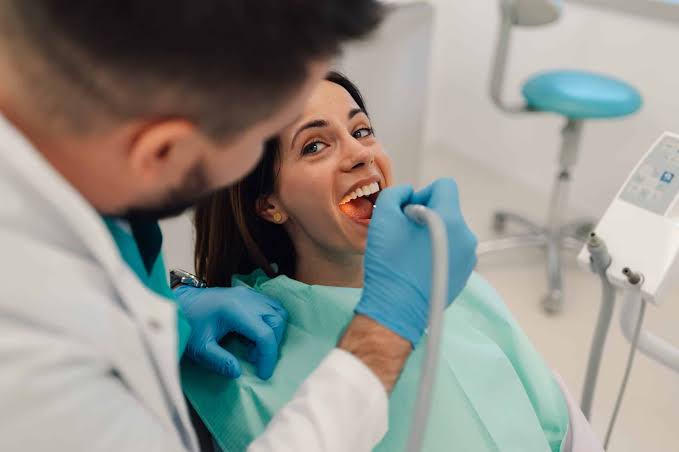
You brush, you floss when you can, and you try to keep up with appointments, yet dental care still has a way of slipping down the list when life gets crowded. A child needs a sports physical, a parent is managing medications, work runs late, and that small tooth sensitivity feels easy to ignore. That is how minor issues become bigger ones. Preventive dentistry works because it catches problems early, lowers treatment costs, and helps every age group keep teeth and gums healthier for longer, while also supporting natural-looking dental restorations in Wantagh, NY.
A healthy smile is not only about appearance. It affects eating, sleep, speech, comfort, and confidence. Oral health also connects to the rest of the body. The NIH overview of oral and dental health explains that the mouth can reflect and influence overall health, which is one reason routine dental care matters from childhood through older adulthood.
Preventive dental care reduces problems before they grow
Most dental problems do not start as emergencies. Cavities begin small. Gum disease often starts with bleeding when you brush, mild swelling, or bad breath that comes and goes. Teeth grinding may show up as jaw tension before it causes cracks or wear. When these signs are missed, treatment usually becomes more involved, more expensive, and harder on your schedule.
That pattern shows up in every generation. Children may develop decay in baby teeth, and many parents assume those teeth do not matter because they fall out anyway. They do matter. They help with speech, chewing, and guiding adult teeth into place. Teens may skip visits because nothing hurts, even as orthodontic issues, sports injuries, or wisdom tooth problems start to build. Adults often delay care because of work, insurance concerns, or the hope that sensitivity will settle down on its own. Older adults may face dry mouth from medications, gum recession, worn dental work, and a higher risk of root decay.
Preventive oral care changes that cycle. Cleanings remove buildup that brushing misses. Exams spot weak areas before they become pain. X rays can reveal trouble under the surface. Fluoride strengthens enamel. Sealants help protect deep grooves in back teeth, especially in children. Mouthguards reduce damage from sports or grinding. These are simple steps, but they stop a lot of avoidable treatment later.
Healthy smiles across generations depend on steady habits and professional care
Home care matters, but it has limits. You cannot scrape hardened tartar off your own teeth safely. You cannot see early decay between teeth without imaging. You may not notice gum pockets forming until the condition has advanced. That is why a general dentist plays such a central role in family health. Routine visits create a record over time, making it easier to catch small changes before they become major repairs.
The public health side of this is clear too. The CDC oral disease priorities page points out that oral disease is common and can affect quality of life across the lifespan. Tooth loss, untreated cavities, and gum disease do not just create discomfort. They can shape nutrition, school performance, work productivity, and social confidence.
You may have seen this in your own family. One person avoids cold drinks because of sensitivity. Another keeps chewing on one side because a filling fell out months ago. A child resists brushing because it hurts near a sore spot. These are not small inconveniences. They are often the early signs of issues that prevention is meant to catch.
Preventive dentistry often costs less than delayed treatment
Money is one of the biggest reasons people put off dental visits. That makes sense. When budgets are tight, routine care can feel easier to postpone than a bill that is due today. The problem is that delay usually raises the final cost. A cleaning and exam are far less disruptive than a root canal, crown, extraction, or gum treatment after infection has spread.
| Preventive approach | What it helps address | Likely result when done early | What delay can lead to |
|---|---|---|---|
| Regular exams and cleanings | Plaque, tartar, early decay, gum irritation | Small issues found early and treated simply | Larger cavities, gum disease, pain, urgent visits |
| Fluoride treatments | Weak enamel and early cavity risk | Stronger enamel and lower decay risk | More drilling and restorative treatment |
| Dental sealants | Deep grooves in molars, especially in children | Added protection against decay | Cavities in hard to clean back teeth |
| Night guards or sports mouthguards | Grinding, clenching, sports impact | Less wear, fewer chips and fractures | Broken teeth, jaw pain, worn enamel |
| Periodontal monitoring | Bleeding gums, recession, bone loss risk | Earlier gum treatment and better tooth support | Advanced gum disease and possible tooth loss |
Daily routines matter too. The CDC guidance on oral health prevention supports basics that still make the biggest difference, including brushing with fluoride toothpaste, cleaning between teeth, limiting added sugar, and keeping regular dental visits. These habits sound simple because they are, but simple does not mean minor. Consistency is what protects teeth year after year.
Preventive care works best when each age group gets the right support
Children need help building habits before brushing becomes a battle. Teens need reminders that feeling fine does not mean everything is fine. Adults need care that respects busy schedules and competing financial demands. Older adults need attention to dry mouth, gum recession, and changes in dexterity that can make brushing and flossing harder. Healthy smiles for every age come from matching prevention to the stage of life you are in, not from using the same approach forever.
This is where family patterns matter. When one person in the home values checkups, better habits often spread. Kids notice. Partners remind each other. Aging parents are more likely to mention discomfort before it turns into a crisis. Prevention is not only an individual choice. It can become part of how a family takes care of itself.
Simple steps make preventive dentistry easier to keep up with
1. Set appointments before a problem starts. Book routine visits on a repeating schedule instead of waiting for pain. That removes the guesswork and makes care feel normal rather than reactive.
2. Watch for small changes. Bleeding gums, new sensitivity, persistent bad breath, jaw soreness, and loose fillings deserve attention. These signs are easy to dismiss, but they are often the earliest warning that something needs care.
3. Make home care realistic. Use fluoride toothpaste, clean between teeth daily, and ask your dentist about tools that fit your needs, such as floss picks, electric toothbrushes, mouthguards, or dry mouth products. The best routine is the one you will actually keep doing.
Preventive dentistry supports healthy smiles across generations because it respects a basic truth. Small care done steadily is easier than major treatment done late. If you have been putting off a visit, you are not alone, and you are not behind for starting now. A general dentist can help you protect your teeth, lower future costs, and keep your family’s smiles stronger for the long run.
