

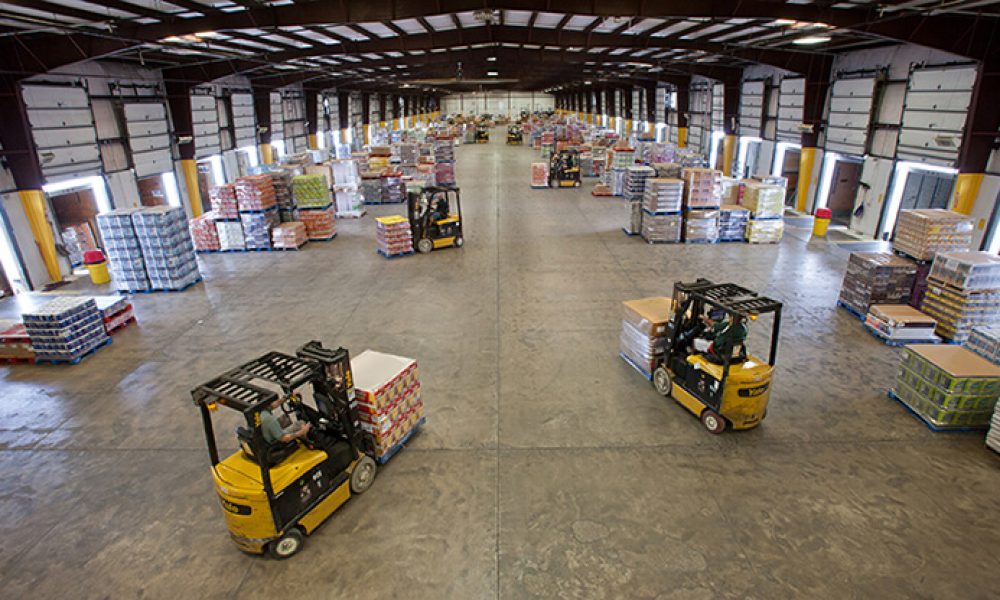
Long-term product storage is no longer necessary thanks to a system that makes cross docking possible. The smooth flow of products happens without storage because they transfer directly from inbound trucks into outbound transportation units. Implementing cross-docking operations helps cut down expenses for time management along with handling operations and storing costs.
The process functions like a pit stop involving fast sorting of goods before their delivery. Fast delivery requirements drive businesses to utilize this technique, particularly for moving fresh food together with retail products and packages for e-commerce delivery.
Why Is Cross Docking Useful?
The fast-moving current delivery environment demands extremely prompt service above all else. Cross docking offers:
- Faster delivery times
- Lower warehouse costs
- Better inventory turnover
- Less risk of stock damage or loss
Companies interested in quick operations and swift response to customer needs should find cross-docking beneficial.
Applications in Different Scenarios
1. Online Order Fulfillment
Online shopping expansion depends on cross docking to provide quick delivery service. The distribution process at central hubs consists of immediate sorting followed by quick delivery of items. The system works best when customers need fast delivery of numerous items.
2. Retail Replenishment
Stores often need quick restocks. Cross docking activates immediate product delivery after receipt, which results in steady inventory levels that create satisfied customers.
3. Returns and Reverse Logistics
The process of sorting and transporting returned products happens with exceptional speed. The stored items do not require warehousing because companies need not determine their future use. The different products can go either into resale or into repair before recycling.
Key Ingredients for Success
The success of this technique depends on having proper setup systems, which consist of the following:
- A cross-dock site requires proper organization of loading and unloading sections
- Real-time tracking systems for product visibility
- Clear communication between suppliers, transporters, and distribution staff
- The design functionality of existing systems enables changes needed for various product varieties and market demand volumes
Looking Ahead
As supply chains continue to become more complex, cross docking is poised to surpass other distribution techniques. Modern logistics requires efficient sus, reliable, and fast delivery features, which cross docking delivers successfully.
The elimination of redundant efforts, together with rapid procedures, enables cross-docking to maintain a well-functioning, reliable supply chain. The forthcoming era will witness increased business use of this model to enhance operational speed and intellect in their shipping activities.
The implementation of computer systems, along with data analytical practices, drives the current evolution of cross-docking systems. Real-time delivery route adjustments and delivery pattern forecast capabilities, along with error reduction, are now achievable through smart systems. The detailed precision level continues to boost efficiency, thus enabling supply chains to adapt well to unexpected changes and disruptions.
