

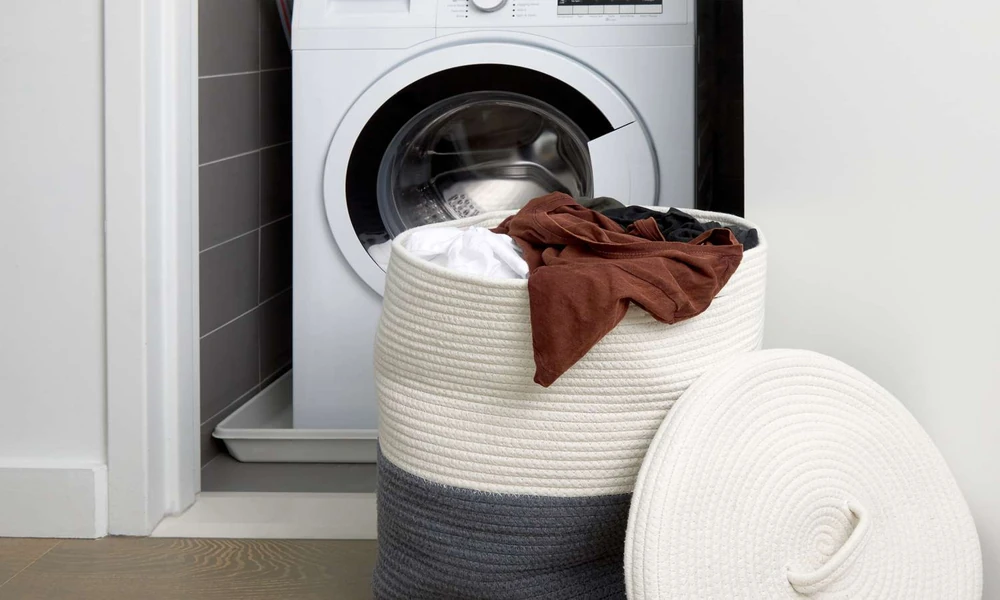
A clean and comfortable environment is essential for every salon and barbershop. Clients expect more than a stylish haircut, professional grooming, or relaxing beauty treatment; they also want confidence that the space around them is hygienic. Fresh towels, spotless capes, clean robes, and properly maintained treatment linens all contribute to this experience. Establishing an organized laundry and sanitation routine helps grooming businesses maintain professional standards, protect client comfort, and create a welcoming atmosphere throughout the day.
Why Proper Laundry Management Matters in Grooming Businesses
Salons and barbershops use a wide range of fabric items during their daily operations. Towels are needed for washing hair, shaving, facials, and other treatments, while cutting capes protect clients’ clothing from loose hair and product residue. Some establishments also use robes, headbands, neck towels, and linens for specialized beauty services. Since these items come into contact with hair, skin, sweat, and cosmetic products, they require careful handling between appointments.
Reusing textiles without appropriate laundering can transfer dirt, oils, product residue, and microorganisms from one client to another. This makes consistent washing procedures an important part of a broader hygiene program. Used towels and capes should be collected promptly and kept separate from clean supplies. Staff should avoid placing soiled items on workstations, styling chairs, or other surfaces used during treatments.
Selecting suitable washing methods is equally important. Hair products, dyes, conditioners, shaving creams, and styling gels may leave different types of residue on fabrics. Using an appropriate detergent and following fabric care instructions helps remove these substances without unnecessarily damaging the material. Thorough drying and clean storage further support hygienic textile handling.
A reliable salon and barbershop laundry service can help businesses maintain a steady supply of freshly laundered textiles, particularly when customer appointments are frequent and staff have limited time for backroom tasks.
Building Effective Laundry and Sanitation Routines
An effective laundry routine begins with clear responsibilities. Staff members should understand how to collect used textiles, where to place them, and how to handle clean items safely. Separate containers for soiled and freshly washed laundry can reduce accidental contact between the two. Towels contaminated with substantial amounts of chemicals or other substances should be handled according to the relevant product safety instructions.
Laundry frequency should reflect the volume and type of services provided. A busy barbershop may use numerous towels and neck cloths throughout a single day, while a beauty salon offering hair coloring, facials, and spa treatments may require several categories of clean linens. Monitoring daily usage helps managers estimate laundry requirements and prevent shortages during peak hours.
It is also important to recognize that laundering is only one part of sanitation. Hair clippings should be removed from capes before washing when appropriate, and grooming tools, work surfaces, shampoo stations, and treatment chairs must be cleaned or disinfected according to applicable hygiene requirements. Towels should never replace designated cleaning materials for disinfecting equipment.
For businesses with limited storage or washing facilities, outsourcing textile care may provide a practical alternative. A professional laundry arrangement can help manage larger volumes, maintain predictable collection schedules, and reduce the time employees spend washing and folding towels. Before choosing a provider, salon owners should consider turnaround times, textile handling procedures, pricing, and the ability to accommodate busy periods.
Protecting Fabric Quality and Client Confidence
Frequent washing can gradually weaken fabrics if the wrong temperatures, detergents, or drying methods are used. Selecting durable towels and capes designed for repeated commercial laundering can improve long-term value. Following care labels, avoiding excessive detergent, and removing stubborn stains using suitable methods can help preserve softness, color, and absorbency.
Regular inspection is another useful practice. Torn towels, damaged capes, and fabrics that remain stained or unpleasant-smelling should be removed from normal client use. Keeping an organized inventory allows managers to replace worn items before they affect service quality.
Ultimately, consistent laundry and sanitation routines help salons and barbershops deliver a cleaner, more professional experience. Whether textiles are washed on-site or handled through a salon and barbershop laundry service, careful collection, appropriate laundering, thorough drying, and hygienic storage are essential. These practices support client confidence, improve workplace organization, and help grooming professionals focus on delivering excellent service.
