

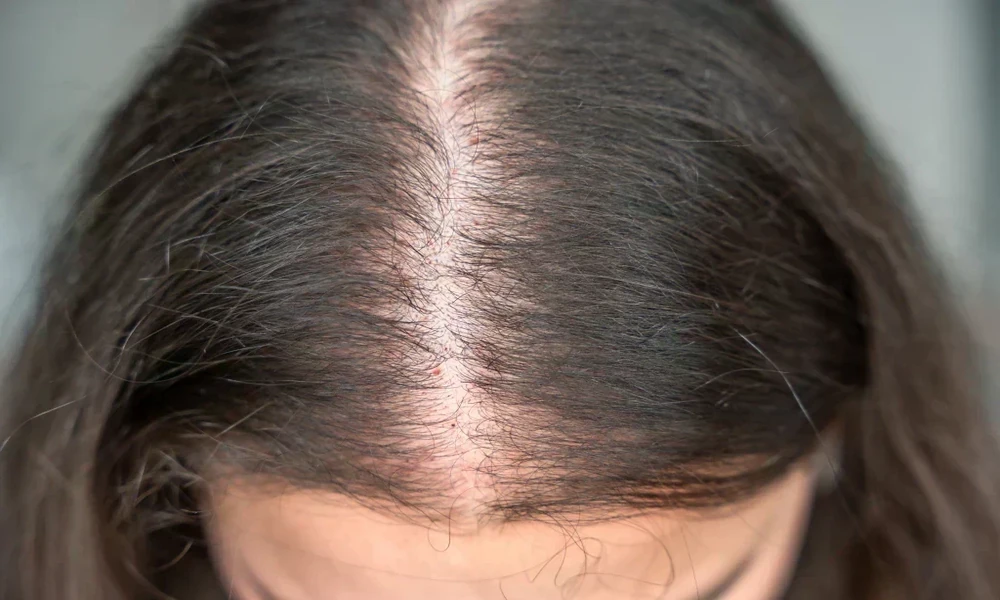
You might have noticed it slowly at first. More hair in the brush, more scalp showing under bright bathroom light, or a part line that seems wider than it used to be. Then one day it stops feeling like a small change and starts feeling personal. Hair thinning can affect how you see yourself, how you get ready in the morning, and how comfortable you feel in public. If that sounds familiar, you are not overreacting. This is a common concern, and there are thoughtful ways an aesthetic clinic Newtown PA med spa may help support scalp health and hair growth.
The short version is simple. Hair thinning is not one problem with one fix. It can be tied to stress, hormones, genetics, inflammation, aging, and certain medical conditions. Because of that, many med spas begin with the scalp itself, looking at circulation, buildup, irritation, and the overall environment where hair grows. From there, they may suggest non surgical hair restoration options, supportive therapies, and a plan that matches your goals and your budget.
Why does hair thinning feel so confusing, and what could be causing it?
Part of the stress comes from not knowing what is normal and what is not. Shedding some hair each day is expected, but ongoing thinning, patchy loss, or sudden changes deserve attention. According to MedlinePlus guidance on hair loss, causes can include heredity, medical conditions, medications, hormonal shifts, and physical or emotional stress. So if you have been trying random shampoos and supplements without much clarity, that uncertainty can wear on you.
And then there is the emotional side. You may wonder if you waited too long, if the problem will keep getting worse, or if anything short of surgery can help. That tension often pushes people toward quick fixes, yet scalp and hair concerns usually respond better to a steady plan than to panic buying. A med spa approach often tries to slow things down, assess the pattern, and focus on what can be improved now.
So, where does that leave you? It leaves you with an important first step, which is understanding that not every kind of hair loss should be treated the same way. For example, if hair loss is sudden, patchy, or tied to an autoimmune issue, you may need medical diagnosis and treatment first. The National Institute of Arthritis and Musculoskeletal and Skin Diseases explains more about alopecia areata diagnosis and treatment, which can help you know when to seek medical evaluation beyond cosmetic care.
How do med spas support scalp health and growth therapies without rushing to extremes?
Many people hear How Med Spas Approach Hair Thinning: Scalp Health And Growth Therapies and assume it means one trendy treatment. Usually, it is more measured than that. A med spa may begin by examining scalp condition, oil balance, dryness, flaking, irritation, and signs of poor circulation or clogged follicles. If the scalp is inflamed or unhealthy, even strong hair strands may struggle over time.
From there, a provider may talk through options such as scalp exfoliation, nourishing serums, microneedling for the scalp, LED light support, or platelet based therapies when appropriate and offered under proper medical oversight. The goal is often to improve the scalp environment and encourage healthier growth cycles. This kind of scalp therapy for thinning hair is usually gradual. It may support density and hair quality, but it rarely creates overnight change.
That is also why good providers tend to set expectations early. If your thinning is mostly genetic, a med spa may focus on slowing progression, improving hair caliber, and helping existing follicles perform better. Harvard Health notes that for male pattern hair loss, treatments tend to work best when started early, and results vary by person. You can read more about what works for treating hair loss in men to understand how timing shapes outcomes.
What is the difference between home care and professional hair growth treatment?
Home care matters, but it has limits. A gentle shampoo, scalp massage, and avoiding harsh styling can help reduce strain on fragile hair. Still, if the issue involves deeper inflammation, hormonal pattern loss, or long term follicle miniaturization, home products alone may not do much. Professional support can offer better assessment and stronger tools, though it also costs more and requires patience.
| Approach | What It May Help With | Limits | Best Fit |
|---|---|---|---|
| Home scalp care | Dryness, mild buildup, breakage from harsh products | Cannot diagnose underlying causes or reverse many forms of pattern loss | Early support and daily maintenance |
| Over the counter products | Some shedding concerns, scalp comfort, basic strengthening | Results vary, and marketing often exceeds evidence | People testing simple first steps |
| Med spa consultation and therapies | Scalp health, circulation support, targeted growth stimulation, ongoing monitoring | Requires multiple visits, cost, and realistic expectations | People seeking hair growth therapies with guided care |
| Medical dermatology care | Patchy loss, sudden shedding, autoimmune causes, prescription treatment | May not focus on cosmetic styling goals | Anyone with signs of disease or rapid change |
What can you do right now if your hair is getting thinner?
1. Track the pattern. Take clear photos of your part line, hairline, and crown in the same lighting every few weeks. Note any itching, burning, flaking, or sudden shedding. Patterns tell a story, and they help you notice whether things are stable, worsening, or responding to care.
2. Rule out medical red flags. If you have patchy bald spots, scalp pain, sudden clumps of shedding, or hair loss after illness or a major life event, get medical input. A med spa can be part of your support system, but some causes need diagnosis first.
3. Build a realistic plan. Think in phases, not miracles. Ask about the expected timeline, number of sessions, home care, and maintenance. A good med spa plan for thinning hair should explain what it may improve, what it cannot change, and when you should reassess.
Can a med spa really help with thinning hair, or is it only cosmetic?
It can be both supportive and cosmetic, and that is not a bad thing. Looking better often helps you feel more like yourself again. At the same time, the best med spa care does not pretend every case is simple. It respects the fact that hair loss can be emotional, layered, and tied to health. That balance matters.
If you have been feeling discouraged, try not to read your hair thinning as a final verdict. It is a signal to pay attention, ask better questions, and choose care that matches the cause as closely as possible. A thoughtful Med Spa approach can support scalp health, encourage stronger growth conditions, and help you move forward with more clarity and less fear.
