

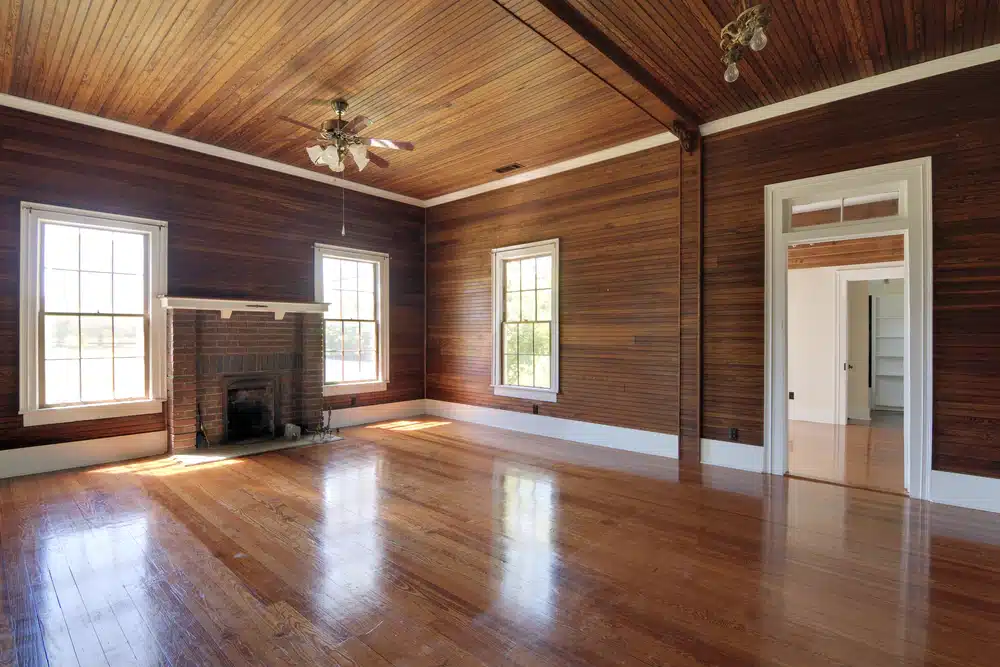
Beginning with the walls, incorporating some wood paneling will immediately improve the look of any space, providing warmth, texture, and a little rustic feel. Nevertheless, this requires thoughtful planning and execution so that nothing is left to chance, and the effect will add the obvious style to the room.
Here are some comprehensive tips and guidelines to ensure a successful installation:
Choose the Right Type of Wood: Before choosing woodpaneling for walls, consider what aesthetic effect you want to achieve and how much you can afford. The frequent choices comprise solid wood, plywood, and engineered wood. Look at factors like durability, grain pattern, and installation ease.
Prepare the Surface: Maintaining good surface preparation is essential to create a nice result and achieve a long-term installation. Ensure the walls are clean, dry, and free of mess, dirt, or imperfections. Therefore, use a level and shims to make a flat surface if the walls are uneven.
Acclimate the Wood: Acclimatizing wood paneling to the room’s environmental conditions before installation will help prevent warping or shrinkage in the future. Lay the panels horizontally in the room for at least 48 hours to let them get used to the indoor temperature and humidity.
Plan the Layout: Before you pin down a layout, there are several factors one should keep in mind. This would minimize waste and would also achieve the desired aesthetic. Consider where windows, doors, and other architectural components are positioned, and set the start position for the installation.
Measure Twice, Cut Once: Correct measurements are critical before starting a professional finish. Measure the dimensions of the wall and the panels with tape, and double-check your measurements before performing any cuts. Use a narrow teeth or table saw to cut the panels to length or width.
Install Backing: To ensure stability and insulation, you can put in the backing material, plywood, or furring strips before attaching the wood panels. This will give them a level surface on which to mount the panels, which will minimize sound transfer.
Use the Right Fasteners: The choice of the fasteners will depend on the type of wooden paneling and substrate material you will use. If for solid wood panels, nails or screws are used as fasteners, the adhesive is more suitable for the case of engineered wood or plywood panels.
Start from the Top: When installing the panels, put the highest level first and follow downwards. Make sure that the first row of panels is level by using the level and evenly spaced with the help of the level. Leave a little space between the upper panel and bottom panel for breathability.
Stagger the Joints: Stagger the joints as you work across the wall from one side to the other for a sophisticated and fluid look. This helps to balance the weight and, as a result, prevents the formation of recognizable patterns.
Secure the Panels Properly: Whichever type of lashing you choose, from nails, screws, or adhesive, you should fix the boards to the wall firmly. Concentrate especially on the edges and corners so you prevent the gaps or unevenness from happening.
Fill Gaps and Nail Holes: After you install all the panels, use wood filler or caulk to fill any cracks, leaving no gap between the panels and the wall. When sanding, ensure the filler’s smooth once it’s dry, and use wood putty to repair any nail holes or imperfections.
Finish the Wood: Based on your preferences, leave the wood paneling natural without any finishing, or use a stain, paint, or sealant to protect it and make it look nicer. Be guided by the finish instructions provided by the manufacturer when choosing.
Final Thoughts
With these ideas and guidelines, you can pull off a professional-looking wood panel installation job, which, in turn, adds to the beauty and ambiance of all spaces. Take your time, keep it to fine detail, and have fun while turning your plain walls into functional art pieces.
