

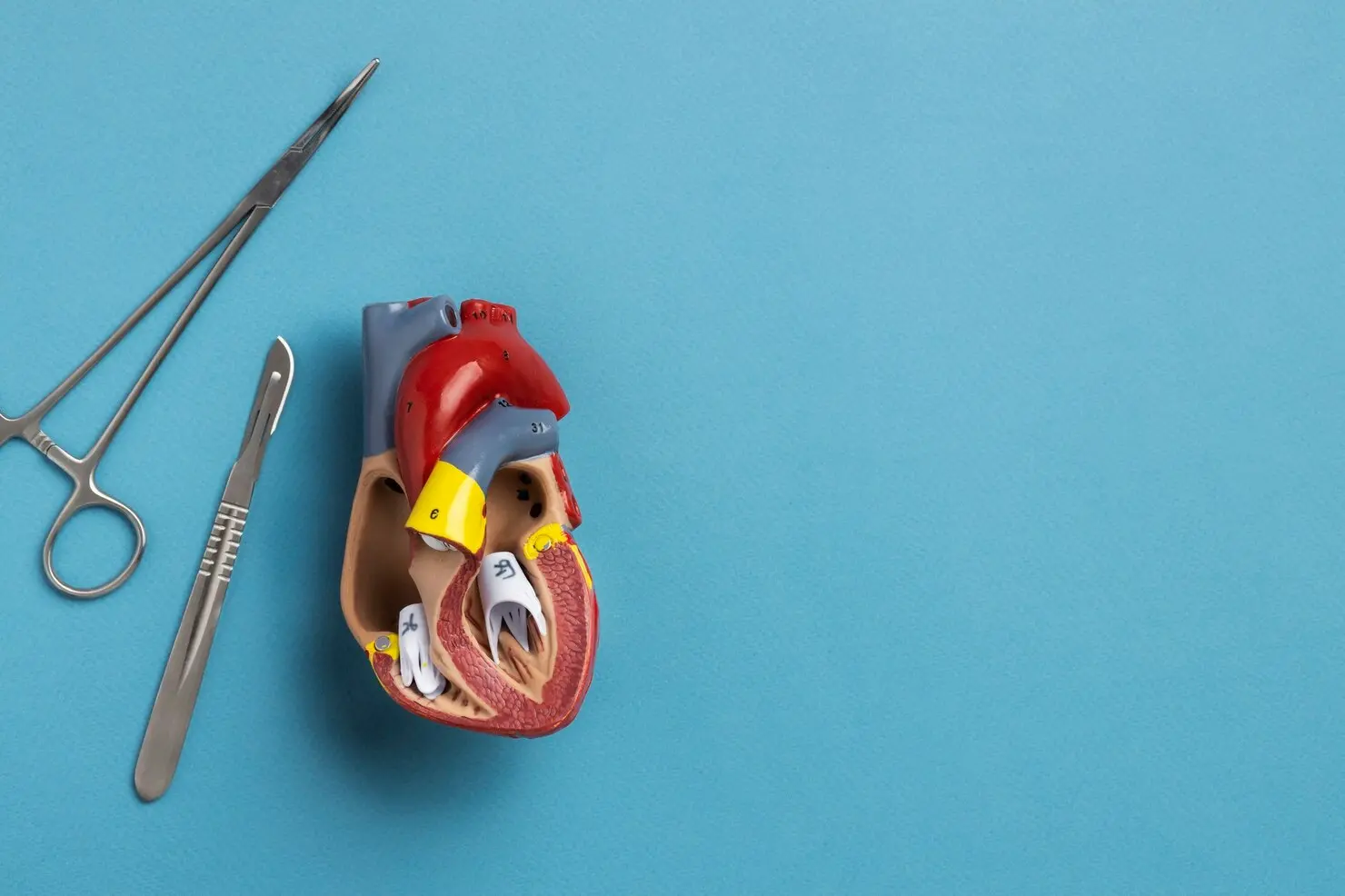
Learning that your child has a hole in the heart, medically known as a ventricular septal defect (VSD), can feel overwhelming. This condition, one of the most common congenital heart defects, affects how blood flows through the heart and, if left untreated, may cause fatigue, poor growth, or more serious complications over time. The good news is that medical advances now make VSD heart surgery a safe and effective option for restoring normal heart function in children. In this blog, we’ll walk you through everything you need to know about VSD surgery, starting from how the procedure is performed to the recovery process. Here we will also highlight how timely treatment helps children grow, play, and thrive like their peers. By the end, you’ll see why choosing the right hospital and care team is one of the most important steps you can take for your child’s future health.
Understanding Ventricular Septal Defect (VSD) in Children
A ventricular septal defect (VSD) is a small hole in the wall (septum) that separates the two lower chambers of the heart. In children, this opening allows oxygen-rich and oxygen-poor blood to mix, forcing the heart to pump harder than usual. Some small VSDs may close naturally over time, but larger defects can cause symptoms such as fatigue, rapid breathing, poor weight gain, or frequent respiratory infections. If left untreated, a significant VSD can place long-term strain on both the heart and lungs. This is why early diagnosis and timely medical management are so important to ensure a healthy and active childhood.
When Does VSD Require Surgical Intervention?
For parents concerned about surgical intervention, the good news is that not all ventricular septal defects require an operation. Some small defects close naturally during infancy or early childhood. A VSD heart surgery becomes necessary only when the defect is large enough to affect normal heart function or interfere with a child’s growth and development.
Doctors usually recommend surgery in the following situations:
- Persistent fatigue, breathlessness, or failure to thrive
- Frequent chest infections or difficulty feeding
- Increased pressure in the lungs (pulmonary hypertension)
- Evidence of heart enlargement on imaging tests
- No signs of natural closure despite regular monitoring
In such cases, early surgical intervention helps prevent long-term complications and allows the heart to function normally as the child grows.
What Happens During VSD Heart Surgery?
It’s natural for parents to wonder what exactly happens during their child’s operation. Understanding the procedure can bring clarity and reassurance. VSD heart surgery is performed under general anaesthesia and typically involves the following key steps:
- Anaesthesia and Surgical Access
The child is placed under general anaesthesia, ensuring they are fully asleep and pain-free. An incision is then made in the chest, often through the breastbone (sternum), to carefully reach the heart.
- Connection to Heart-Lung Machine
The child’s circulation is supported by a heart-lung machine, which temporarily takes over the pumping of blood and supply of oxygen during the surgery.
- Closure of the Defect
The surgeon identifies the ventricular septal defect and closes it either with fine stitches (for smaller holes) or with a patch made of synthetic material or the child’s own tissue. Over time, this patch naturally becomes part of the heart.
- Restoration of Normal Heart Function
Once the patch is secured, the surgical team slowly weans the child off the heart-lung machine. In most cases, the heart resumes its natural rhythm on its own; however, gentle stimulation or medication may be used if needed.
- Wound Closure and Transfer to Recovery
The chest incision is carefully closed with sutures or staples and covered with a sterile dressing. The child is then transferred to a paediatric intensive care unit (PICU) or a specialised cardiac recovery unit for continuous monitoring.
- Hospital Stay
Most children remain in the hospital for a few days, depending on their condition and recovery progress.
Thanks to modern surgical techniques, VSD heart surgery offers a safe and effective way to repair the heart and give children the opportunity to live healthy, active lives.
Benefits of VSD Surgery for Long-Term Child Health
Undergoing VSD heart surgery provides children with significant long-term benefits that improve both their health and quality of life. Some key advantages include:
- Improved Heart Function
After surgery, the heart pumps blood more efficiently, reducing strain and preventing enlargement.
- Healthy Growth and Development
Children are able to gain weight more steadily, and both physical growth and developmental milestones improve.
- Better Energy Levels
With reduced breathing difficulties and fatigue, children can actively participate in play and school activities.
- Prevention of Complications
Timely surgery lowers the risk of heart failure, lung infections, and pulmonary hypertension (high blood pressure in the lungs), helping to protect long-term organ health.
- Enhanced Quality of Life
Children experience fewer hospital visits, allowing families to focus on healthy routines instead of constant medical care.
With proper follow-up and care, most children go on to live active and fulfilling lives after VSD heart surgery.
Recovery and Post-Surgery Care for Children
Recovery after VSD surgery usually begins in the paediatric intensive care unit (PICU), where the child is closely monitored for a few days. Parents may notice tubes or wires connected for breathing support, fluid drainage, or heart monitoring. These are only temporary and play an important role in ensuring a safe recovery.
- Hospital Stay and Monitoring
Most children remain in the hospital for one to two weeks. Doctors track heart function, breathing, and wound healing to ensure progress.
- At-Home Care
Once discharged, parents are advised to:
- Give prescribed medications on time
- Keep the surgical wound clean and dry
- Attend all follow-up appointments to undergo full-body check-ups and other required tests.
- Lifestyle and Healing
Children may need a few weeks of rest before returning to school or regular play. Gradual physical activity is encouraged, with the guidance of a medical professional.
- Long-Term Outlook
With proper care, most children recover well, gaining strength and energy. Regular follow-ups ensure the heart continues to function normally.
Choose the Best Reputable Hospital in India for VSD Heart Surgery
When it comes to your child’s heart health, choosing the right hospital is one of the most important decisions you can make. A reputable hospital in India for VSD heart surgery offers advanced surgical facilities and a team of highly qualified paediatric cardiologists, cardiac surgeons, and specialised nursing staff. Such centres ensure world-class care, from accurate diagnosis and precision-driven surgery to post-operative monitoring and rehabilitation. In addition, leading hospitals provide child-friendly environments, advanced ICU support, and personalised care plans that prioritise both medical outcomes and emotional well-being. By choosing the best reputable hospital in India, you give your child access to expertise, technology, and compassionate care that together make recovery smoother and long-term health outcomes brighter.
