

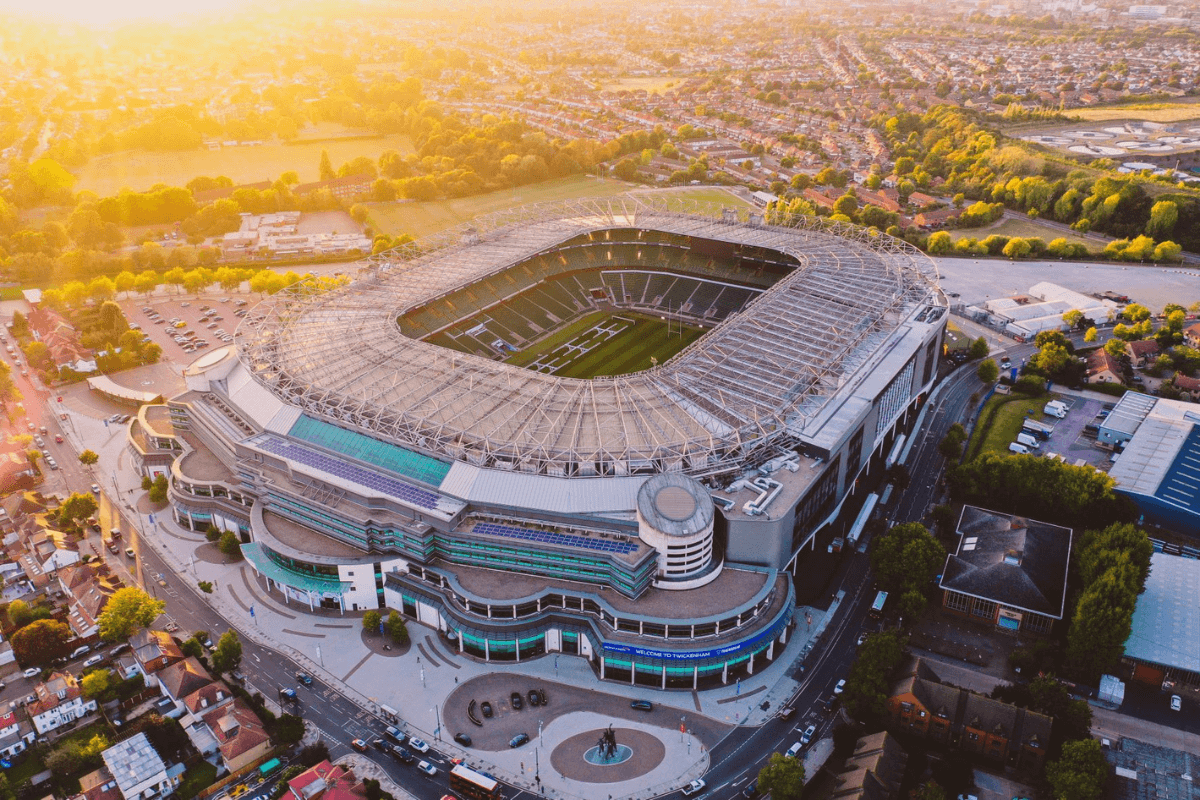
Twickenham Stadium is one of the most recognisable sporting venues in the world and holds a unique place in English sport. Known universally as the home of England rugby, it is a stadium steeped in tradition, national pride, and decades of unforgettable sporting moments. Located in southwest London, Twickenham has grown from a purpose-built rugby ground into a world-class, multi-use venue that attracts visitors year-round. How to get there?
Origins and Early History
Twickenham Stadium opened in 1909 after the Rugby Football Union purchased a large plot of land that was originally used for market gardening. The intention was to create a permanent home for England rugby, and from its earliest days, the stadium played a central role in the development of the sport. Over time, it expanded steadily, with new stands and facilities added to meet growing demand.
The stadium has witnessed the evolution of rugby union, from its early amateur roots to the modern professional era. Many legendary matches have been played on its pitch, cementing Twickenham’s reputation as one of the most important rugby venues in the world.
Capacity and Scale
Today, Twickenham Stadium has a seating capacity of over 82,000, making it the largest dedicated rugby union stadium globally. Its scale allows it to host the biggest fixtures in the rugby calendar, including England international matches, domestic cup finals, and global tournaments.
Despite its size, the stadium is designed to offer excellent sightlines from every seat, ensuring spectators feel close to the action. Continuous investment in infrastructure has helped maintain a balance between modern comfort and the preservation of the stadium’s historic character.
More Than a Rugby Stadium
While rugby remains at its heart, Twickenham is far more than a sports ground. The stadium functions as a major events and hospitality destination throughout the year. It features extensive corporate facilities, including executive boxes, private suites, and premium lounges designed for business guests and VIPs.
In addition to sporting events, Twickenham regularly hosts conferences, exhibitions, award ceremonies, and private functions. Its flexible event spaces make it suitable for both large-scale corporate gatherings and more intimate occasions.
Matchday Experience
A matchday at Twickenham is considered a special occasion for rugby fans. The atmosphere begins to build hours before kick-off, with supporters travelling from across the UK and abroad. The sense of anticipation, national pride, and shared tradition creates an experience that goes far beyond the game itself.
Crowd management is a key focus on event days, with carefully planned access routes and transport arrangements. Local roads are often restricted, and parking is limited to ensure safety and smooth movement of large numbers of spectators.
Concerts and Entertainment
Twickenham Stadium is also one of London’s leading concert venues. Over the years, it has hosted performances by some of the world’s biggest music artists, drawing tens of thousands of fans for each event. These concerts transform the stadium into a completely different environment, showcasing its versatility and ability to host large-scale entertainment.
Major concerts often take place during the summer months and attract visitors from across the country, contributing to the stadium’s reputation as a premier events destination.
Visitor Facilities and Attractions
The stadium is home to a dedicated rugby museum that explores the history of the sport and its most iconic moments. Visitors can also take guided tours that offer access to behind-the-scenes areas, including the players’ tunnel, dressing rooms, and hospitality spaces. These experiences provide insight into the stadium’s operations and its significance within the rugby world.
On-site facilities include bars, catering outlets, and retail areas, ensuring visitors have access to refreshments and memorabilia during events.
Transport and Accessibility
Due to its size and popularity, getting to and from Twickenham Stadium requires planning, particularly on event days. Public transport options are widely used, but they can become very busy before and after major events. Parking around the stadium is heavily restricted, and local traffic management measures are put in place to handle large crowds.
For groups attending together, organised transport can provide a smoother and more reliable experience, allowing guests to arrive and depart without the challenges associated with event-day travel.
Cultural and Sporting Significance
Twickenham Stadium is more than a venue; it is a symbol of English rugby and a place where sporting history is continually made. Its role in hosting international fixtures, national celebrations, and global entertainment events has made it an integral part of the UK’s cultural landscape.
Whether for a thrilling rugby match, a major concert, or a corporate event, Twickenham offers an experience that combines tradition, scale, and world-class facilities. It remains a destination that resonates with sports fans and visitors alike, standing as one of the most important stadiums in the world.
