

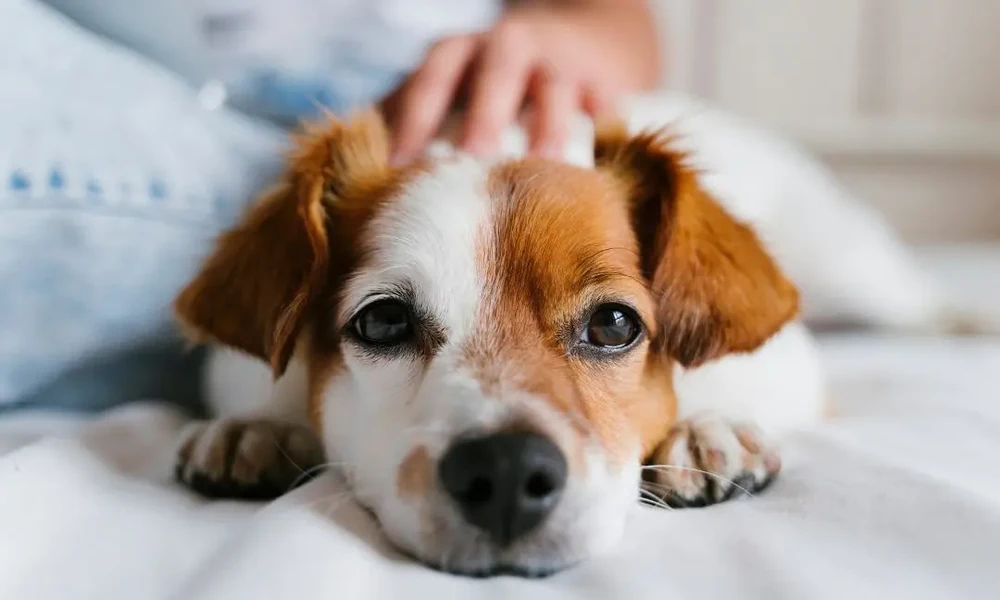
The house feels different after one pet dies. You notice it in the quiet, in the empty sleeping spot, in the way your other pet walks room to room and stops short, as if they are still expecting a familiar sound or scent. You may be grieving yourself and trying to figure out whether your dog or cat is grieving too. That uncertainty can make a hard time feel heavier. If you need support, a North West San Antonio vet can help you understand what your surviving pet may be experiencing.
Pets often react to the loss of another animal in the home, and those reactions can look a lot like what you are seeing now. Appetite changes, clinginess, pacing, vocalizing, sleeping more, hiding, or seeming restless can all show up after a loss. A general veterinarian helps by ruling out illness first, then guiding you through the behavior changes that can follow bereavement. That is where How General Vets Help Pets Cope With The Loss Of An Animal Companion becomes less abstract and more practical. Your pet may need monitoring, routine support, short term treatment, or a plan for when grief tips into a medical or behavioral problem.
Pet grief after the loss of a companion is real, but it does not look the same in every home
One pet may search for the one who died. Another may become withdrawn. Some seem unchanged at first, then start acting differently days later. According to the University of Florida’s guidance on reactions of other pets in the home, surviving pets may show changes in sleep, appetite, elimination habits, and social behavior. That range matters, because many owners assume there is one “normal” way a pet should respond. There is not.
This is where a general veterinarian becomes useful in a very grounded way. A pet that stops eating may be grieving, but appetite loss can also point to pain, nausea, stress colitis, urinary trouble, or another condition that needs treatment. A cat that hides more may be mourning, or may be sick. A dog that starts whining at night may be unsettled by the household shift, or may be developing anxiety that needs support before it gets worse.
You do not have to sort that out alone. A general vet starts with the basics. What changed, when did it start, how long has it lasted, and is your pet still drinking, sleeping, urinating, and moving normally? That simple framework often tells you whether you are dealing with a short lived adjustment period or something that should be addressed right away.
General veterinarian support protects pets from hidden medical problems during grief
Loss can trigger behavior changes that look emotional but carry physical risk. A dog that refuses meals for two days can become weak or dehydrated. A cat that stops eating is at even greater risk, since prolonged appetite loss can become dangerous quickly. Stress may also flare up digestive issues, skin licking, or urinary symptoms.
Veterinary help for grieving pets often begins with a physical exam and a close history. Your vet may ask whether your surviving pet saw the other pet decline, whether the death was sudden, whether routines changed, and whether there are new signs such as vomiting, diarrhea, accidents, or aggression. Those details matter because grief and stress rarely happen in a vacuum. They affect sleep, eating, movement, and the sense of safety at home.
Washington State University notes that pets can show signs consistent with grief, including changes in social behavior and activity, in its discussion of whether pets grieve. That does not mean every sad looking pet needs medication. It means the behavior deserves attention, especially if it is intense, prolonged, or paired with physical symptoms.
A general veterinarian can also help you avoid a common mistake, which is changing everything at once. Owners often add new treats, shift sleeping arrangements, bring home another pet too soon, or constantly soothe the surviving pet in a way that accidentally increases anxiety. Support works better when it is steady and measured.
Daily structure and medical judgment work better together than either one alone
The goal is not to erase the loss. The goal is to help your pet regain stability. That usually means keeping meals, walks, play, and rest times predictable. Familiar routines give pets a sense of control when the social structure of the home has changed.
At the same time, there are cases where routine alone is not enough. If your pet is not eating, cannot settle, seems panicked when left alone, or develops destructive or compulsive behavior, your vet may suggest pain control if another issue is present, anti nausea treatment, appetite support, behavior strategies, or referral to a veterinary behavior specialist. Helping pets after losing another pet is often a mix of patience and medical common sense.
| What You Notice at Home | Home Support May Be Enough | Call a General Vet Promptly |
|---|---|---|
| Mild clinginess or extra sleeping for a few days | Yes, if your pet is eating, drinking, and using the litter box or going outside normally | If it lasts more than a week or gets worse |
| Reduced appetite | Only if it is brief and your pet still eats some food | Yes, especially for cats or if your pet skips meals entirely |
| Pacing, whining, searching behavior | Sometimes, with routine and supervision | Yes, if your pet cannot settle, seems distressed, or is losing weight |
| Hiding or withdrawal | Sometimes, if brief and mild | Yes, if paired with appetite loss, pain, or litter box changes |
| Vomiting, diarrhea, accidents, or new aggression | No | Yes, these signs need medical assessment |
Three steps you can take right now for a grieving pet
Keep the routine steady. Feed at the usual times, keep walks familiar, and preserve sleep spaces if possible. Predictability lowers stress. You do not need to entertain your pet nonstop. Calm repetition helps more than constant stimulation.
Track the changes instead of guessing. Write down appetite, water intake, bathroom habits, sleep, energy, and any searching or vocalizing. Patterns are easier to spot on paper. This also gives your vet something concrete to work with if the behavior continues.
Reach out before the problem grows. If your pet stops eating, seems physically unwell, or shows behavior that feels intense or out of character, contact a veterinary clinic. If you are struggling with your own grief, support matters there too. Cornell’s pet loss support hotline is one option for people who need a place to talk through the loss while caring for the surviving pet.
General vet care gives grieving pets a better chance to settle and recover
Losing one pet can shake the whole household. Your surviving pet may be confused, quiet, needy, restless, or all of those at once. None of that means you have failed them. It means the bond in your home was real, and the absence is real too.
How General Vets Help Pets Cope With The Loss Of An Animal Companion comes down to something simple. They look for medical causes, support emotional recovery, and help you respond in a way that is calm, safe, and effective. If your pet’s behavior has changed after a loss, schedule a visit with a general veterinarian and get clear guidance on what to watch, what to do, and when to worry.
