

Essential Gear: What’s Inside a PPE Kit?
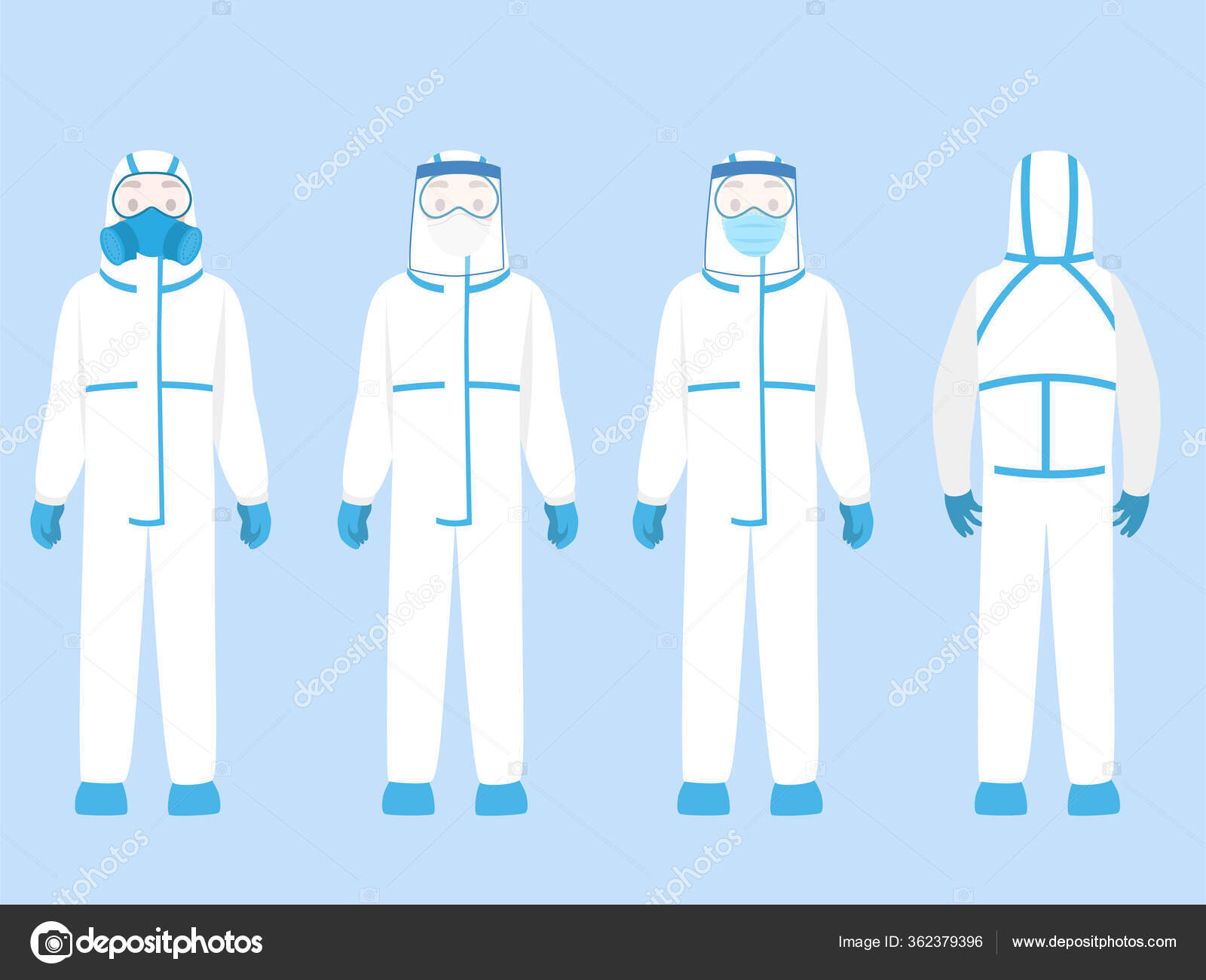
Personal Protective Equipment (PPE) kits are meticulously curated collections of items designed to safeguard individuals from varying hazards while performing their workplace duties. While the specific contents of a PPE kit may vary depending on the industry and the specific risks involved, several core items are commonly included. At the most basic level, a PPE kit typically consists of items such as gloves, masks, gowns, and eye protection. For instance, in a healthcare setting, a surgical mask and latex gloves are paramount for infection control, while in industrial contexts, cut-resistant gloves and safety goggles may be more relevant. Each component plays a distinct role: gloves protect the hands from chemical exposures or biological contaminants, masks can filter out airborne particles, and gowns add a layer of bodily protection from spills or splashes.
Moreover, many PPE kits include items specific to risk types — for instance, hearing protection like earplugs or earmuffs in noisy environments, hard hats for overhead hazards in construction, and respirators in dusty or toxic environments. The kit configuration should be based on a thorough hazard assessment, made customized to meet regulatory standards and the specific needs of the workplace. It’s essential to understand that the effectiveness of each piece of equipment is significantly improved by the correct fit and usage, emphasizing the importance of selecting PPE that not only protects but also allows for comfort and mobility in various scenarios.
Choosing the Right Materials: The Science Behind Protection
The effectiveness of PPE materials is rooted in their material science, which is a field that combines principles of physics, chemistry, and engineering to develop substances that meet specific safety standards. For instance, fabrics used in protective clothing might be rated for their breathability, fluid resistance, and tear resistance, playing critical roles in deciding their suitability for protection against chemical exposure or biological hazards. Materials like Tyvek and Gore-Tex are popular for their balance of lightweight protection and durability, while specialized filters in respirators can provide respiratory protection against chemicals and biological agents.
Moreover, regulations, such as those mandated by OSHA (Occupational Safety and Health Administration) and ANSI (American National Standards Institute), provide guidelines on the minimum performance criteria for different PPE materials, ensuring that the gear manufacturers adhere to safety standards tailored to specific environments. When choosing PPE, one must consider factors like the potential exposure types — whether it be mechanical, thermal, biological, or chemical — and select materials that offer the highest degree of protection without compromising comfort or functionality during prolonged use.
Layering for Safety: How Different Elements Work Together
The synergy of multiple layers of protection can enhance overall safety more than any single type of gear. For instance, a comprehensive PPE kit for healthcare professionals may include an isolation gown, gloves, a face shield, and an N95 respirator. When used in combination, these layers provide physical barriers against contaminants and secure fit and coverage to minimize any gaps that could expose the wearer to hazardous materials.
In industrial settings, layering might incorporate hard hats paired with safety goggles, gloves, and steel-toed boots, where each item collectively enables the employee to perform their tasks while minimizing risks of injury. It’s particularly vital to ensure that the layers are compatible with one another; for instance, pairing high-visibility outer gear with reflective vests can significantly increase visibility without compromising the protective capabilities of either item. Furthermore, keeping in mind the thermal properties and moisture management is essential in ensuring that the layers facilitate comfort, thereby promoting compliance and proper usage by workers.
Navigating the Landscape: Types of PPE Kits for Every Profession
Healthcare Heroes: Customized PPE for Medical Environments
In healthcare environments, PPE kits are not just accessories but critical lifelines that ensure the safety of healthcare professionals and patients alike. Medical professionals, from doctors to nurses and support staff, interact with numerous biohazards daily, thus requiring tailored PPE that can withstand exposure to infectious diseases. Customized kits often include surgical masks, gowns, face shields, and gloves, every item strategically selected to provide maximum barrier protection while enabling mobility and efficiency in patient care.
In light of the COVID-19 pandemic, the emphasis on proper PPE usage and the need for comprehensive kits has surged remarkably. Healthcare facilities have adapted their approaches to PPE by integrating training programs that emphasize not only the importance of equipment but also the proper procedures for donning and doffing gear. These protocols are vital in ensuring that staff do not inadvertently expose themselves or others when removing contaminated gear, outlining the importance of holistic education within the framework of PPE use in the medical field.
Industrial Armor: Safety Kits for Construction and Manufacturing
The construction and manufacturing sectors have among the highest incidences of workplace injuries, making the role of specialized PPE kits critical. Industrial PPE kits typically include hard hats, steel-toed boots, reflective vests, safety glasses, and gloves, tailored specifically to protect against mechanical hazards, falls, and electrical risks, among others. The equipment used in these settings must meet rigorous safety standards, often dictated by state and federal guidelines associated with occupational safety.
Moreover, many industrial environments are evolving through the introduction of smart technologies that leverage data analytics to monitor safety compliance, which can necessitate enhanced PPE integration. The construction industry is increasingly adopting high-visibility gear that incorporates ambient light sensors or augmented reality features to provide real-time feedback to workers regarding their environment, safety hazards, or even communication links with supervisors. Such innovations denote a pronounced shift in how safety gear is perceived and utilized, reinforcing the value of adaptability in PPE kit formulations to embrace technological advancements.
Emergency Response: Specialized Kits for First Responders
First responders operate in unpredictable environments and often face multifaceted hazards that necessitate highly specialized PPE kits. These kits must be meticulously designed to provide thermal protection against fire, sharp object resistance, and chemical hazard resistance, as well as the capability to safeguard against biological threats. Firefighters, for instance, rely on turnout gear made from flame-resistant materials, complemented by helmets with integrated communication devices, reflective strips for visibility, and respiratory protection during chemical spills or fires.
Paramedics and emergency medical technicians (EMTs) also require comprehensive PPE kits with similar considerations, incorporating gloves, masks, eye protection, and body armor as per risk assessments in diverse emergency scenarios. The efficacy of these kits relies on real-train testing and collaborations between safety professionals, manufacturers, and incident command systems to ensure that responders have the best available protection while maintaining flexibility and freedom of movement in life-threatening situations.
Behind the Masks: The Importance of Proper Use and Maintenance
Putting it On: The Right Way to Wear Your PPE
Correct usage of PPE is as critical to safety as the equipment itself. Many users underestimate the importance of following systematic protocols when putting on PPE. The process starts with a clean, sanitary environment, followed by meticulous hand hygiene. Each item must be donned in a particular order; for healthcare settings, the typical sequence is to start from the boots and work upwards to the respirators. This method not only ensures maximum coverage but also minimizes the risk of contamination from each layer.
In industrial environments, the same principles apply, emphasizing not only the order of PPE application but also checking that each piece fits correctly and creates a secure barrier to hazards. Training sessions focused on proper donning techniques can significantly improve compliance among workers, instilling a culture of safety and responsibility. The use of visual aids, such as infographics or videos detailing the donning process, can further reinforce these training initiatives, ensuring workers understand the critical nature of proper PPE application in safeguarding their well-being.
Cleaning and Reusing: Best Practices for Longevity
Extending the lifespan of PPE not only aids cost-effectiveness but also reinforces safety compliance. Different types of PPE require specific care regimens; for instance, reusable gowns and masks must be meticulously cleaned according to manufacturer guidelines to ensure that they retain their protective qualities. Sanitizing protocols for items like gloves or face shields have evolved, particularly post-pandemic, as organizations recognized the necessity to balance biohazard safety with practical reusability.
For high-contact items like gloves, establishing a routine where single-use variants are preferred reinforces compliance, but organizations must also ensure that reusable options adhere to strict cleaning guidelines. A combination of visual reminders regarding cleaning protocols, along with scheduled audits of PPE inventory, can improve accountability among staff and facilitate adherence to guidelines while ensuring the continued efficacy of protective equipment. To sustain efficiency and safety, organizations are encouraged to utilize PPE management systems that include sanitation cycles and inventory tracking, reinforcing proactive measures along the way.
When to Say Goodbye: Knowing When Your PPE Kit Needs Replacing
Understanding when to replace PPE is crucial in ensuring consistent protection. Dark aging, tears, or signs of wear and tear are not merely cosmetic issues; they indicate the degradation of a protective layer, which could lead to hazardous exposure during use. Developing a robust inspection routine is essential, one that empowers users to routinely evaluate their equipment’s integrity before every use. Guidelines for frequent checks should match the specific conditions dictated by their workplace environment, leading to informed discussions on repairs or replacements as needed.
In addition to physical inspections, tracking the lifespan of PPE can facilitate effective replacement schedules. Many manufacturers indicate usage guidelines regarding how long particular items should last based on their industry applications. By developing a clear understanding of these protocols and integrating them into the workplace culture, organizations can better ensure that employees are equipped with reliable PPE at all times, thereby enhancing overall safety.
The Future of PPE: Innovations and Trends Shaping Safety Gear
Smart Technologies: The Rise of Connected PPE
The future of PPE is increasingly intertwined with smart technology, ushering in a paradigm shift in how we think about workplace safety. Connected PPE devices, including helmets with augmented reality displays and smart goggles that provide critical data in real-time, offer advanced safety measures that can significantly enhance situational awareness for workers. These technologies enable employees to visualize hazards and receive alerts regarding harmful environmental conditions directly within their line of sight.
Additionally, wearable technology embedded within PPE can monitor vital signs, fatigue levels, and exposure to hazardous conditions, enhancing safety protocols tremendously. For instance, sensors integrated into protective clothing can indicate when a worker is overheating or overexerting themselves, prompting them to take breaks to mitigate heat stress. As industries globally adapt to these innovations, smart PPE is positioned to redefine the safety landscape, merging technology, analytics, and healthcare to protect workers in unprecedented ways.
Eco-Friendly Options: Sustainability in Protective Equipment
As awareness of environmental concerns grows, so does the necessity for sustainable practices in PPE manufacturing. Many manufacturers are dedicated to developing eco-friendly PPE that doesn’t sacrifice performance or safety. Innovations in biodegradable materials and the shift towards recycled components are becoming steps towards minimizing waste in industries such as healthcare, where single-use items like masks and gowns have been notorious contributors to plastic pollution.
By focusing on the circular economy, manufacturers are designing PPE with sustainability in mind, ensuring that products can be repurposed or safely decomposed after their useful life. This transition requires collaboration between industries to establish guidelines and processes to implement sustainable practices consistently. Educating end-users about the importance and availability of eco-friendly PPE options can also empower organizations to align their safety strategies with environmental stewardship, promoting greater responsibility within the industrial landscape during this critical time of ecological awareness.
Regulations and Standards: What’s Changing in the World of PPE?
Staying abreast of changing regulations and standards within the PPE landscape is paramount to maintaining a safe working environment. Regulatory agencies worldwide, like OSHA and the EU’s Personal Protective Equipment Regulation, continually update their guidelines based on emerging research and evolving workplace conditions. The post-pandemic era has prompted many organizations to reassess their PPE policies and ensure compliance not just with national regulations but with international best practices as well.
As new materials and technologies emerge, the regulatory framework surrounding PPE must be adaptive, leading to periodic updates in testing methodologies, composition standards, and labeling practices. Employers must not only be committed to meeting these guidelines but must also educate their workforce about any changes, empowering employees to understand the significance of compliance and the safety implications involved. Organizations that successfully navigate and embrace these changes will reinforce a culture of safety, ensuring that their workforce remains protected in an ever-evolving world.
