

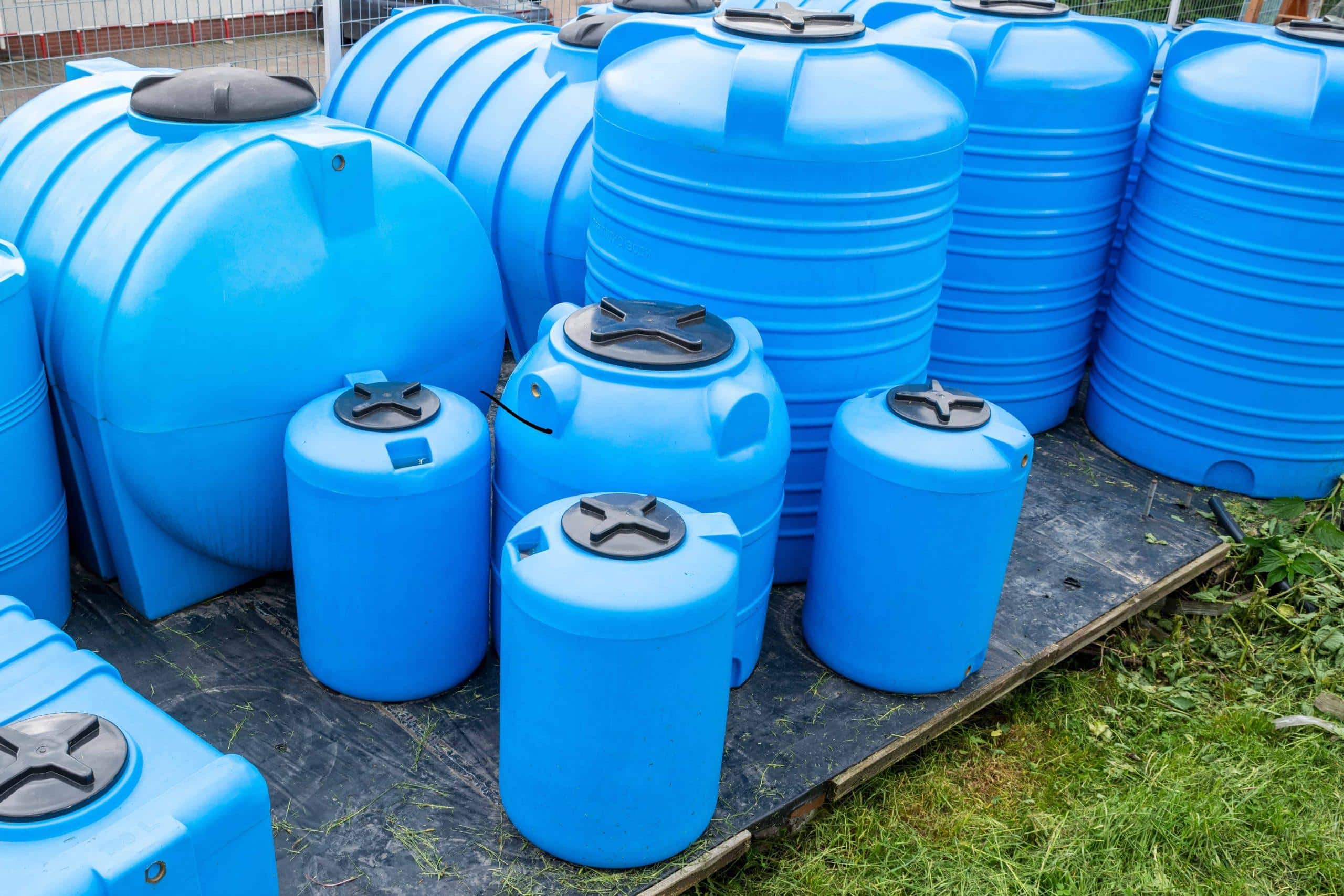
Selecting right size water tanks is essential to ensure an adequate and reliable water supply. Calculating the ideal tank size requires considering factors such as water consumption, rainfall patterns, and potential water collection. This article provides a step-by-step guide on how to calculate the ideal size of a water tank for your specific needs.
Choosing the correct size water tank is crucial for meeting your water storage requirements. A tank that is too small may lead to water shortages, while a tank that is too large can be inefficient and take up unnecessary space.
I. Assessing Water Consumption
The first step in calculating the ideal tank size is to assess your water consumption patterns.
A. Determining daily water consumption
Start by determining your average daily water consumption, including all household activities such as drinking, cooking, cleaning, and irrigation. This can be estimated based on your family size and typical water usage habits.
B. Accounting for peak usage periods
Consider any peak usage periods, such as when hosting guests or during specific seasons when water needs may be higher. It is important to account for these periods to ensure that the tank size can meet your water requirements even during times of increased usage.
II. Calculating Water Storage Requirements
To calculate the water storage requirements, you need to consider both non-rainy periods and the potential for water collection.
A. Estimating water usage during non-rainy periods
Calculate the total water usage during non-rainy periods, which typically include dry seasons or times when water supply may be limited. Multiply the average daily water consumption by the number of days you anticipate needing stored water during such periods.
B. Considering rainfall and water collection potential
Take into account the average rainfall in your area and the potential for water collection. Determine the collection area, such as rooftops or other surfaces, and estimate the amount of water that can be harvested during rainy periods. This will help supplement your water supply and reduce reliance on stored water.
III. Adjusting for Additional Factors
In addition to water consumption and collection, there are other factors to consider when calculating the ideal tank size.
A. Factoring in water scarcity or restrictions
If you live in an area with water scarcity or restrictions, you may need to adjust your calculations accordingly. This may involve increasing the storage capacity to compensate for limited access to water sources.
B. Considering future growth or changes in water needs
If you anticipate changes in your household size, water needs, or lifestyle, consider factoring in potential future growth. This will help ensure that the tank size remains adequate even as your requirements evolve.
IV. Selecting the Ideal Tank Size
Once you have estimated your water storage requirements and considered additional factors, it’s time to select the ideal tank size.
A. Comparing estimated water storage needs to tank capacity options
Compare your estimated water storage needs to the available tank capacity options. Tanks come in various sizes, ranging from small residential options to larger commercial tanks. Select a tank size that can comfortably accommodate your estimated water storage requirements.
B. Choosing a size that balances water requirements and available space
Consider the available space for tank installation. Choose a tank size that balances your water requirements with the available space on your property. Ensure that the tank can be properly installed and doesn’t create any logistical challenges.
Conclusion
Calculating the ideal size of a water tank involves assessing water consumption, estimating storage requirements, and considering additional factors such as rainfall and future needs. By following these steps and selecting a tank size that aligns with your specific requirements, you can ensure a reliable and sufficient water supply.
