

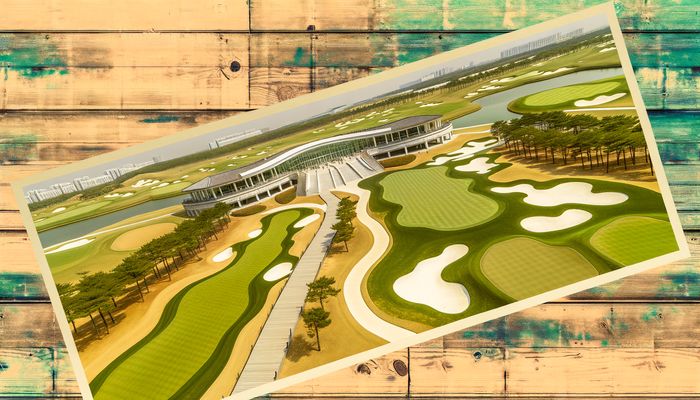
Golf course design has changed significantly over the past century. Early courses were built with minimal interference, allowing the natural landscape to shape the gameplay. The transformation of Goat Park is an example of how modern design blends strategic elements with the natural surroundings. However, as the sport grew, modern golf course design firms began using advanced engineering techniques to create more strategic and visually attractive courses.
How Tradition Still Impacts Modern Golf Course Design
Even though the game has evolved, traditional design ideas still play a big role in today’s golf courses. Golf designers in countries like India incorporate classic design features, such as bunkers and natural hazards, into their layouts.
Classic Design Elements That Remain Important
- Strategic Bunkering: Inspired by early links courses, modern bunkers are designed to create risk-and-reward scenarios for players.
- Natural Integration: Architects continue to focus on preserving the natural beauty of the land when designing a course.
- Walkability: Many courses are designed to enhance the traditional experience of walking while playing.
The Role of Technology in Golf Course Design
The digital age has greatly impacted golf course architecture. New technologies have made planning, building, and maintaining courses more efficient. Computer-aided design (CAD) software, GPS mapping, and drones help design companies create more precise and effective layouts.
Innovations in Golf Course Design
- 3D Modeling: This technology helps designers visualize every part of the course before construction begins.
- Smart Irrigation Systems: These systems reduce water usage while keeping the course in top condition.
- Hybrid Turf Solutions: These offer better playability and lower maintenance.
Combining Sustainability with Visual Appeal
One of the biggest challenges in golf course design is balancing environmental sustainability with the aesthetic beauty golfers expect. Today’s courses incorporate eco-friendly features that minimize environmental impact while maintaining attractiveness.
Key Features of Environmentally Friendly Courses
- Use of Native Plants: These plants require less water and reduce maintenance costs.
- Water Body Conservation: Protecting water features helps biodiversity while enhancing playability.
- Solar-Powered Facilities: These minimise energy use and cut operational costs.
The Importance of Strategic Course Layouts
A well-designed golf course should challenge players while making the best use of available land. Top designers in places like India focus on layouts that incorporate natural features, offer shot variety, and are accessible to golfers of all skill levels.
Case Study: Revamping an Old Golf Course
Many older courses need renovations to stay relevant. A recent project involved updating a 50-year-old course. Modern improvements included better drainage, updated fairways, and eco-friendly bunkers, blending traditional design with new elements.
Challenges for Golf Designers Today
Designing a golf course is not easy. Architects face challenges such as regulatory restrictions and environmental preservation. They must come up with creative solutions to satisfy everyone involved.
Why Choosing the Right Architect Matters
Selecting an experienced golf course designer is important for creating a course that is visually appealing, sustainable, and strategically challenging. Balancing tradition with modern design is key to keeping a golf course competitive in today’s market.
