

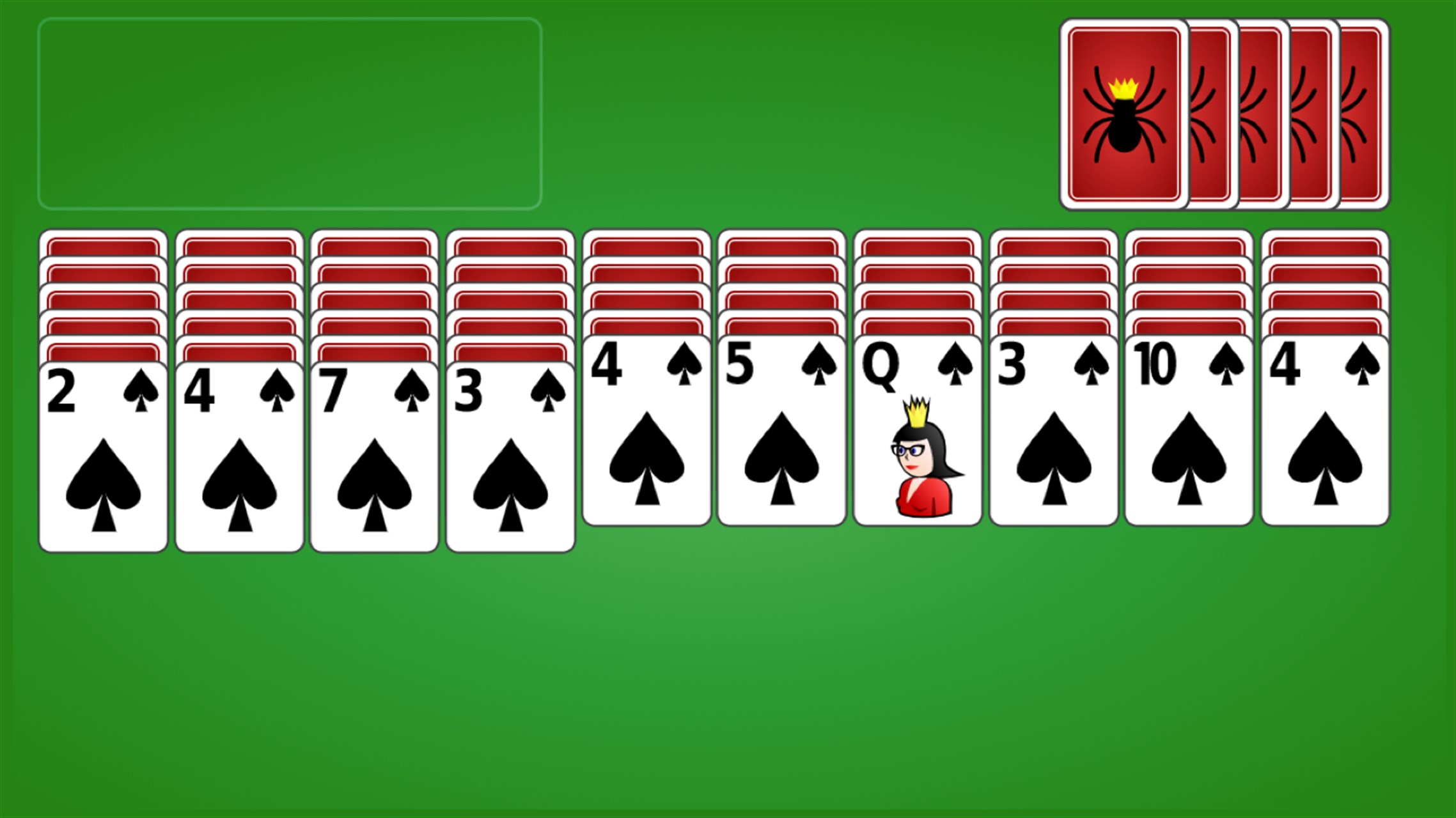
For decades, solitaire has held a special place in the hearts of casual gamers. What began as a simple card game played with a physical deck has transformed into a digital pastime enjoyed by millions across the globe. The evolution of internet solitaire is a fascinating journey, shaped by technological advancements that have enhanced gameplay, accessibility, and user experience.
The Humble Beginnings of Digital Solitaire
Before internet solitaire became a household name, the game was primarily played with traditional playing cards. Originating in the 18th century, solitaire was a solitary pursuit, requiring patience, strategy, and luck. The transition to digital gaming began in the late 1980s when Microsoft introduced a computerized version of solitaire with Windows 3.0 in 1990.
Microsoft’s adaptation revolutionized solitaire by making it widely accessible. This digital version maintained the essence of the original game while simplifying the process—no more shuffling or re-dealing. Its inclusion in Windows was not merely for entertainment; it also helped users become familiar with drag-and-drop mouse functions.
The Rise of Internet Solitaire
As internet connectivity became more widespread, solitaire transitioned from a single-player offline game to an online experience. Early web-based versions allowed users to play against artificial intelligence or timed challenges. The first significant shift came with multiplayer solitaire platforms, where players could compete for high scores and rankings.
The ability to play solitaire online introduced several key improvements:
- Real-time leaderboards: Players could compare scores with a global community.
- Multiple game variations: Classic Klondike solitaire was joined by FreeCell, Spider Solitaire, and Pyramid.
- Automated hints and undo options: These features helped new players learn strategies and avoid common mistakes.
By the mid-2000s, internet solitaire had moved beyond simple browser-based games. Developers introduced mobile applications, allowing users to play on smartphones and tablets. This shift made solitaire more portable, ensuring that players could enjoy a quick game anywhere.

The Role of AI and Machine Learning
Artificial intelligence has had a profound impact on solitaire. Early computer versions used simple rule-based algorithms, but modern AI enhances gameplay in several ways:
- Personalized difficulty levels: Adaptive AI can adjust the challenge based on a player’s skill level.
- Strategy recommendations: AI-powered hints suggest optimal moves, helping players refine their tactics.
- Opponent simulation: In competitive solitaire formats, AI simulates skilled opponents to make the game more engaging.
These advancements have transformed solitaire from a passive experience into an interactive and dynamic game that encourages strategic thinking.
Social Integration and Online Tournaments
The shift towards social gaming has also influenced internet solitaire. Multiplayer modes and online tournaments create a competitive atmosphere, allowing players to challenge friends or compete in global leaderboards. Some key developments include:
- Live competitions: Players can participate in daily or weekly challenges with cash prizes.
- Cooperative gameplay: Certain versions allow teams to complete challenges together.
- Achievement systems: Unlockable rewards keep players engaged and motivated.
Online communities dedicated to solitaire have emerged, fostering discussions on strategies, high scores, and game variations. Social integration ensures solitaire remains relevant in an era where online connectivity dominates the gaming industry.
The Future of Internet Solitaire
With technology evolving rapidly, the future of internet solitaire looks promising. Virtual reality (VR) and augmented reality (AR) could bring solitaire into immersive three-dimensional spaces. Imagine playing a realistic card game on a virtual table, interacting with digital cards as if they were physical objects.
Blockchain technology might also play a role in solitaire’s evolution, enabling verifiable leaderboards and digital ownership of unique card designs. The integration of cloud gaming services could allow solitaire to be played seamlessly across devices without requiring downloads.
Conclusion
The journey of internet solitaire reflects the broader evolution of gaming technology. From its humble origins as a simple Windows feature to its status as an interactive online phenomenon, solitaire continues to adapt and thrive. Enhanced by AI, social integration, and mobile accessibility, the game remains a beloved pastime for players of all ages.
As technology advances, internet solitaire will likely continue to evolve, providing even richer experiences for future generations. Whether played casually during a work break or competitively in an online tournament, solitaire’s enduring appeal proves that even the simplest games can stand the test of time.
