

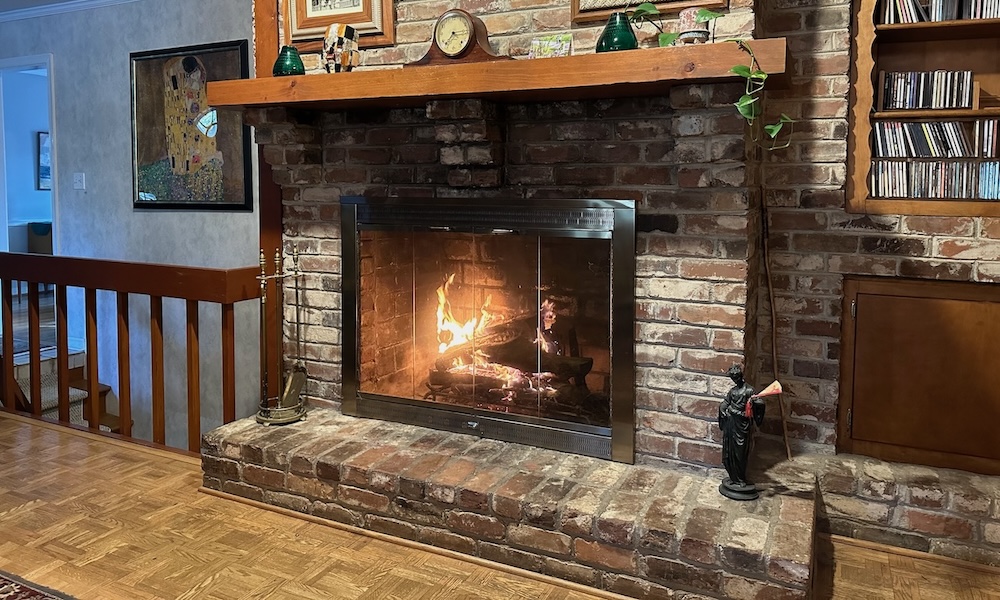
With energy prices remaining high across the UK, many homeowners are turning to wood burners as an alternative heating solution. But while the romantic appeal of a crackling fire is undeniable, the financial reality of wood burner ownership deserves careful consideration. Here’s what you really need to budget for in 2025.
Initial Installation Costs
The journey begins with installation, and this isn’t a modest investment. A quality wood burning stove typically costs between £500 and £2,000, depending on size, efficiency rating, and design. However, the stove itself is just the beginning.
Professional installation is essential and legally required to meet Building Regulations. Expect to pay £1,500 to £3,000 for a complete installation, including the flue system, hearth preparation, and necessary structural work. If your property doesn’t have an existing chimney, costs can escalate further, with flue installation alone adding £1,000 to £2,500 to your bill.
Urban properties face an additional hurdle. Since January 2022, only Defra-approved stoves can be installed in Smoke Control Areas, which cover most UK cities and towns. These appliances meet strict emission standards but often command premium prices.
Fuel Expenses: The Ongoing Reality
The cost of keeping your wood burner fed throughout winter represents the most significant ongoing expense. Kiln-dried hardwood logs, which burn most efficiently and are recommended for modern stoves, typically cost £80 to £120 per cubic metre when bought in bulk. A well-insulated three-bedroom home using a wood burner as supplementary heating might consume two to three cubic metres per winter, totalling £160 to £360 annually.
However, if you’re relying on your wood burner as primary heating, consumption increases dramatically. Heavy users can burn through five to seven cubic metres per season, pushing annual fuel costs toward £700 or more.
The quality of your fuel matters enormously. Burning wet or unseasoned wood might seem economical initially, but it reduces efficiency, increases creosote buildup, and accelerates stove deterioration. Since 2021, regulations have prohibited the sale of wet wood in quantities under two cubic metres, pushing consumers toward properly dried alternatives.
Maintenance and Servicing
Wood burners aren’t fit-and-forget appliances. Annual chimney sweeping is essential and costs £50 to £80 per visit. Many insurance policies require proof of annual sweeping, making this a non-negotiable expense.
Every few years, you’ll need to replace consumable parts. Stove rope seals, fire bricks, and baffle plates wear out with regular use. Budget £50 to £150 every two to three years for these replacements. More serious repairs, such as replacing a cracked glass door, can cost £100 to £200.
Professional servicing, while not legally required, helps maintain efficiency and safety. An annual service typically costs £80 to £150 and can identify problems before they become expensive failures.
Hidden and Incidental Costs
Beyond the obvious expenses lurk several smaller costs that accumulate over time. Fire-starting materials, whether kindling, firelighters, or newspaper, add £20 to £40 annually. Protective equipment, including heat-resistant gloves, ash buckets, and cleaning tools, represents an initial outlay of £50 to £100.
Storage is another consideration often overlooked during the planning phase. Properly stored logs need shelter from rain while allowing air circulation. A decent log store costs £100 to £300, or you might build one yourself for less.
Insurance premiums may increase slightly once you install a wood burner, though the impact varies by provider. Some insurers require notification and may add a small premium or impose conditions about annual sweeping.
Comparing Costs to Alternatives
How does wood burning stack up financially against conventional heating? With gas prices hovering around 6p per kWh and electricity at approximately 24p per kWh in 2025, wood can be competitive at around 4p to 6p per kWh when you factor in efficient burning of quality fuel.
However, this comparison assumes optimal conditions: a highly efficient stove, properly dried wood, and a well-insulated home. In practice, many households find wood burning serves best as supplementary heating, reducing reliance on gas or electric systems rather than replacing them entirely.
The Verdict
Running a wood burner in 2025 requires realistic budgeting. First-year costs including installation easily reach £3,000 to £5,000. Subsequently, annual running costs of £300 to £800 are typical for moderate use, depending on fuel consumption and maintenance needs.
Wood burners make most sense for those who value the ambiance, have access to affordable fuel, and understand the time commitment involved. They’re less suitable for anyone seeking a purely financial payback or a hands-off heating solution.
Before investing, calculate your specific circumstances carefully, considering your heating needs, property type, and willingness to manage the daily demands of wood burning. The real cost extends beyond pounds spent to include time, effort, and ongoing commitment.
