

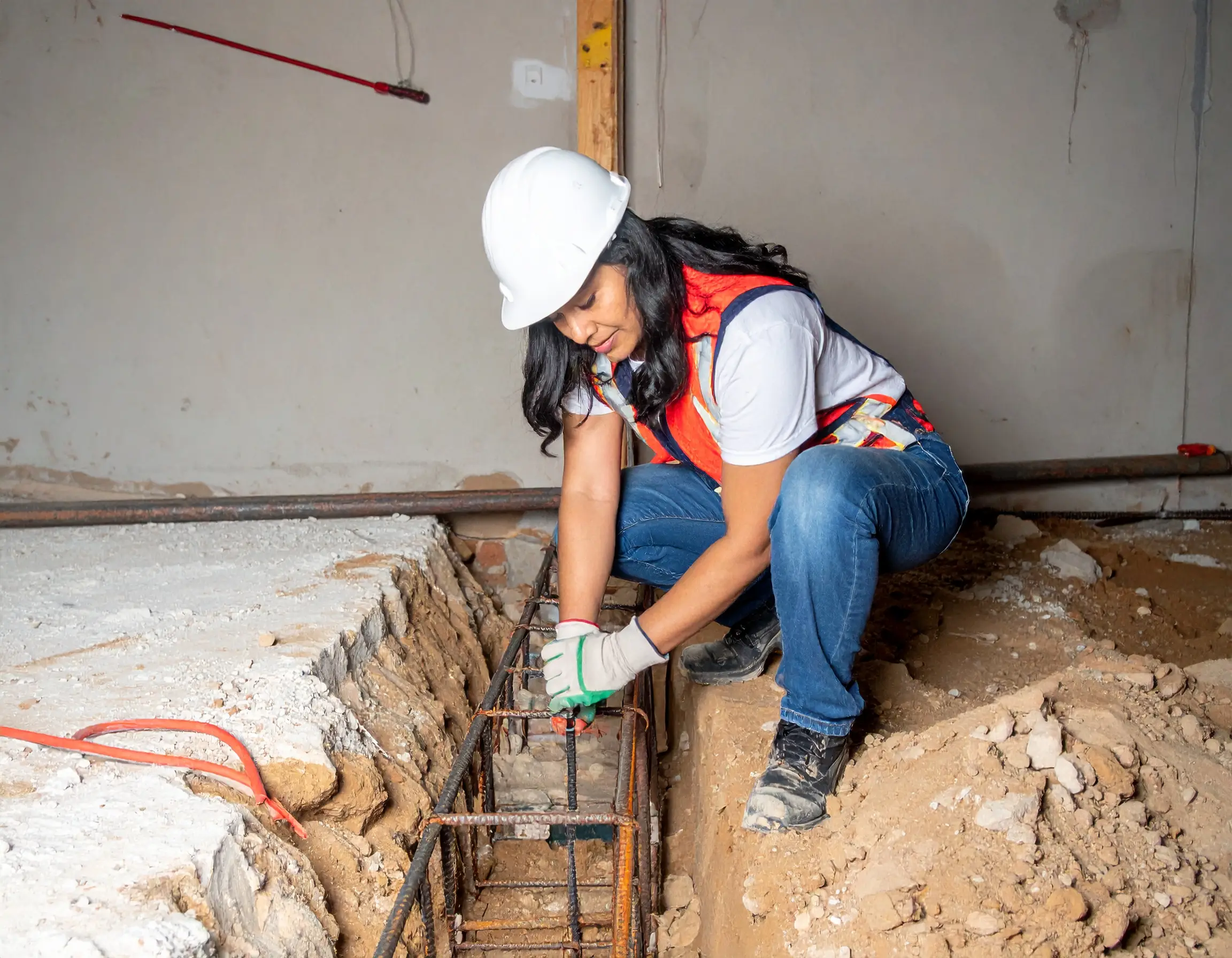
Renovation projects can be exciting, but they also carry risks when not planned or executed correctly. Basements are particularly sensitive because mistakes in design or construction can affect the entire structure of a home. One of the most transformative upgrades is basement underpinning, which strengthens the foundation and creates valuable living space. However, like any complex process, underpinning comes with pitfalls that should never be ignored. From hiring inexperienced contractors to skipping inspections, errors made during underpinning can result in structural damage, financial losses, and long-term regret. Understanding these common mistakes ensures that homeowners make decisions that lead to safe, durable, and cost-effective results.
Hiring Inexperienced Contractors
One of the most significant risks in underpinning is placing trust in contractors who lack the right expertise. While many companies offer renovation services, not all have experience with structural work of this scale. Choosing the wrong team may save money at the outset but often leads to dangerous shortcuts, poor workmanship, and costly corrections later. Homes have been left with uneven floors, unstable foundations, or even collapsed walls because the underpinning was handled improperly. The consequences of poor workmanship extend far beyond the basement, often affecting the stability of the entire property.
Experienced underpinning professionals understand the engineering principles, building codes, and safety measures required. They know how to assess soil conditions, plan excavation safely, and ensure foundations are properly reinforced. Their expertise also helps anticipate challenges, such as water table issues or unusual soil conditions, that might derail an inexperienced crew. Working with qualified experts not only guarantees compliance but also prevents future complications. Cutting corners on contractor selection is a mistake that can jeopardize both the home and the homeowner’s investment.
Skipping Structural Inspections
Another mistake that frequently occurs is neglecting proper inspections before, during, and after underpinning. Basements are complex systems that interact with soil, drainage, and the weight of the building above. Failing to inspect thoroughly can leave hidden issues unaddressed, such as water infiltration, poor drainage, or weak soil. These overlooked problems may surface later, undermining the entire project and forcing costly repairs. What initially appeared to be a simple lowering of the basement could turn into a structural nightmare without professional oversight.
Regular inspections by engineers or building officials ensure that every step is completed correctly and safely. They confirm that excavation is being done in the right sequence, that the foundation is reinforced properly, and that drainage systems are working as designed. Inspections also provide peace of mind for homeowners, knowing that the project meets building codes and professional standards. Skipping this step might seem like a way to save time, but it ultimately compromises the long-term stability of the home. A well-inspected project is one that delivers both safety and value.
Ignoring Warning Signs in Advance
Foundation issues rarely appear overnight; they develop gradually. Cracks in basement walls, uneven floors, or difficulty closing doors and windows often indicate deeper structural problems. Ignoring these warning signs until they become severe is a mistake that can make underpinning more complicated and expensive. Minor cracks may be stabilized easily if caught early, but if left unchecked, they can spread and compromise the structural integrity of the home.
Recognizing and addressing problems early allows underpinning to be carried out before damage escalates. Proactive action minimizes disruption, reduces costs, and extends the lifespan of the home. For example, a basement with minor settling may only need partial underpinning, while one that has been neglected for years might require a complete rebuild of the foundation. Acting on warning signs early is one of the smartest decisions a homeowner can make, ensuring the safety of the household and the longevity of the property.
Overlooking Permits and Legal Requirements
Basement underpinning is not a cosmetic renovation—it alters the foundation of a home. As such, it requires permits, engineering plans, and adherence to local building codes. Skipping these legal requirements is a mistake that can result in fines, project delays, or even unsafe conditions. In some cases, unpermitted work may also make it difficult to sell the property later. Real estate transactions often reveal whether underpinning was done legally, and buyers may walk away if proper documentation is missing.
Working with professionals ensures that all paperwork, approvals, and inspections are in order. These safeguards protect both the project and the homeowner. Legal compliance may feel like a bureaucratic hurdle, but it is essential for ensuring the safety and long-term value of the home. Permits also protect the homeowner from liability in the event of accidents or damage during construction. Ignoring these requirements is a shortcut that no responsible homeowner should take, as the risks far outweigh any perceived benefits.
Neglecting Waterproofing and Drainage
A mistake often made during underpinning is focusing solely on structural reinforcement while neglecting waterproofing and drainage. A basement that is stable but still prone to water intrusion will never be fully functional. Poor drainage leads to moisture buildup, which can cause mould, mildew, and damage to finished spaces. Ignoring this step undermines the value of the entire project.
Professional underpinning projects often incorporate waterproofing membranes, sump pumps, or weeping tile systems to manage water effectively. These measures protect the investment and ensure the basement remains dry and usable for decades. Neglecting waterproofing during underpinning is like patching a roof without sealing the leaks—it may hold up structurally, but it will not provide a healthy, livable environment.
Build Strong, Not Sorry
Mistakes in basement underpinning are costly, disruptive, and sometimes dangerous. Hiring the wrong contractor, skipping inspections, ignoring warning signs, overlooking permits, or neglecting waterproofing all undermine the benefits underpinning is meant to deliver. When handled with care, underpinning creates strong, safe, and valuable spaces that last for decades. When rushed or mishandled, it leaves behind regret. The lesson is simple: invest in the right expertise, follow the right process, and treat underpinning as the critical structural upgrade it truly is. A strong foundation is never built on shortcuts.
