

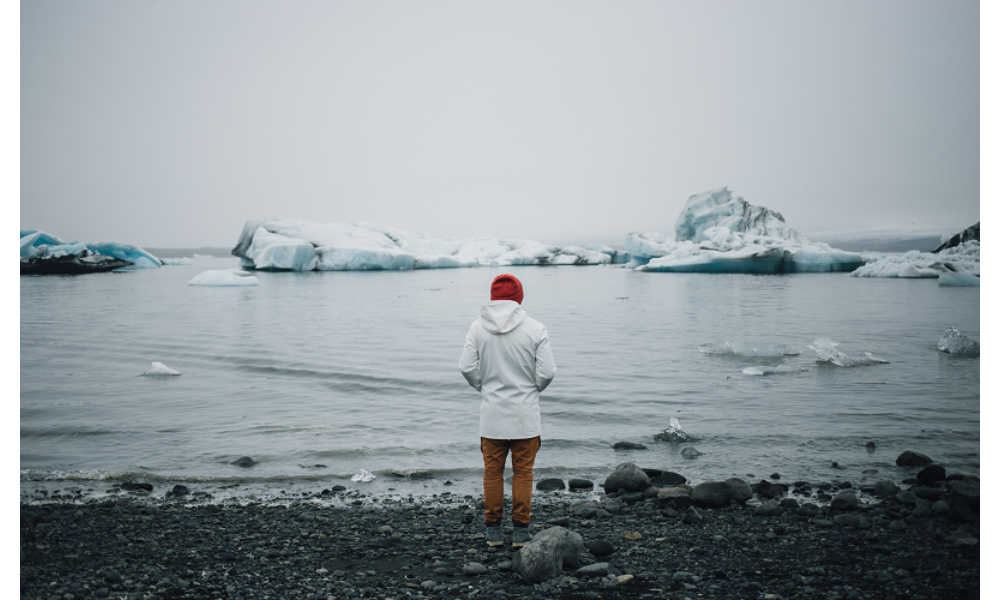
Moving through polar seas feels different from any other form of travel. Silence stretches wide, broken by ice shifting or water brushing against the hull. Routes move at a governed pace, shaped by weather windows, shifting light, and ice conditions instead of fixed schedules. Sea voyages form the backbone of experiences on Arctic tours, particularly for guests who value patience, observation, and measured progression.
Navigation in Arctic regions follows strict protocols. Ice charts, satellite imagery, and real-time weather data guide daily decisions at sea. Systems on board support ongoing route adjustments, keeping journeys steady while meeting environmental limits enforced by polar authorities.
Fjords That Shape Arctic Routes
Fjords form natural corridors along Arctic coastlines. Glacial carving has created narrow waterways that shelter vessels from harsher open seas while revealing cliffs, ice falls, and layered rock formations at close range. Depth and width vary greatly, making experience and planning essential.
Modern mapping tools and sonar systems support careful movement through confined channels. Developments of this type allow ships to maintain comfort without disrupting fragile surroundings. Within Arctic tours that include fjord sailing, extended time drifting through such passages shapes the overall tone of the journey.
Ice Floes and Seasonal Movement
Ice floes influence daily travel patterns across polar waters. Wind and current shift conditions hour by hour, requiring constant assessment. Ice-strengthened hulls and active monitoring keep vessels clear of pressure zones, with progress slowing naturally when conditions demand caution.
Ice forecasting updates now provide clearer short-term visibility for crews. Combined with reinforced ship construction, route flexibility remains possible across changing conditions. The balance between safety and comfort supports calm decision-making valued by luxury travellers.
Life Aboard Expedition Vessels
Ship design plays a key role in comfort during polar voyages. Cabins prioritise insulation, stable temperature control, and sound dampening suited for cold climates. Shared spaces support viewing, briefings, and downtime when conditions keep vessels stationary.
Operational planning has matured over decades of polar sailing. Waste management systems, energy efficiency measures, and strict fuel controls reduce environmental impact. Established standards allow access to sensitive regions under international maritime rules, shaping how Arctic tours operate aboard expedition vessels.
Wildlife Encounters at Sea
Marine life influences many navigational choices. Whales surface near feeding grounds, seabirds follow current lines, and seals rest along ice edges. Observation takes place from open decks or inflatable craft when conditions permit, guided by distance protocols set by regional authorities.
Shared sighting reports and tracking data allow crews to anticipate animal movement across wide areas. Navigation choices reflect this coordination, supporting meaningful viewing without crowding sensitive habitats, an arrangement that suits luxury travellers.
Shore Landings and Coastal Access
Not every day allows landings. When shore access opens, sites are selected based on tides, ice stability, and wildlife presence. Landings tend to be brief and purposeful, focusing on terrain observation, short walks, or historical remnants linked to early polar exploration.
Landing operations follow strict ratios between crew and guests. Safety briefings, equipment checks, and visitor limits remain standard practice. Moments of this kind are structured carefully within Arctic tours, keeping experiences meaningful while respecting environmental regulations.
Light, Weather, and Daily Rhythm
Light governs Arctic travel cycles. Summer brings extended daylight, while shoulder seasons introduce rapid shifts in visibility. Weather influences not just routes but onboard schedules, altering meal times, activities, and briefings as needed.
Adaptive scheduling supports consistency. Daily plans remain flexible, communicated clearly during crew updates. The approach reduces uncertainty while preserving the calm pace essential to polar journeys, which many luxury travellers appreciate.
Technology Supporting Polar Navigation
Navigation technology has progressed steadily over recent years. Satellite communication systems provide reliable data for forecasting, safety coordination, and environmental reporting. Digital ice charts update frequently, strengthening situational awareness across wide operating areas.
Comparable systems support reliable passage through remote waters without accelerating routes artificially. Measured progression remains central to responsible polar sailing, shaping daily movement across Arctic tours operating in sensitive regions.
Travel Designed Around Conditions
Polar sailing operates within clear limits set by nature. Routes adjust daily based on ice movement, visibility, and weather conditions, keeping experiences anchored in practical reality. Planning emphasises safety, environmental responsibility, and physical comfort over fixed timetables.
Journeys appeal to luxury travellers who value structure balanced with flexibility. Time spent observing conditions, waiting for access, and adjusting plans becomes part of the overall experience rather than a disruption.
For anyone considering carefully structured polar voyages shaped by nature and navigation expertise, Contact Prestige by Chan Brothers to arrange a sailing experience through fjords, shifting ice, and open Arctic waters with clarity, comfort, and care.
