

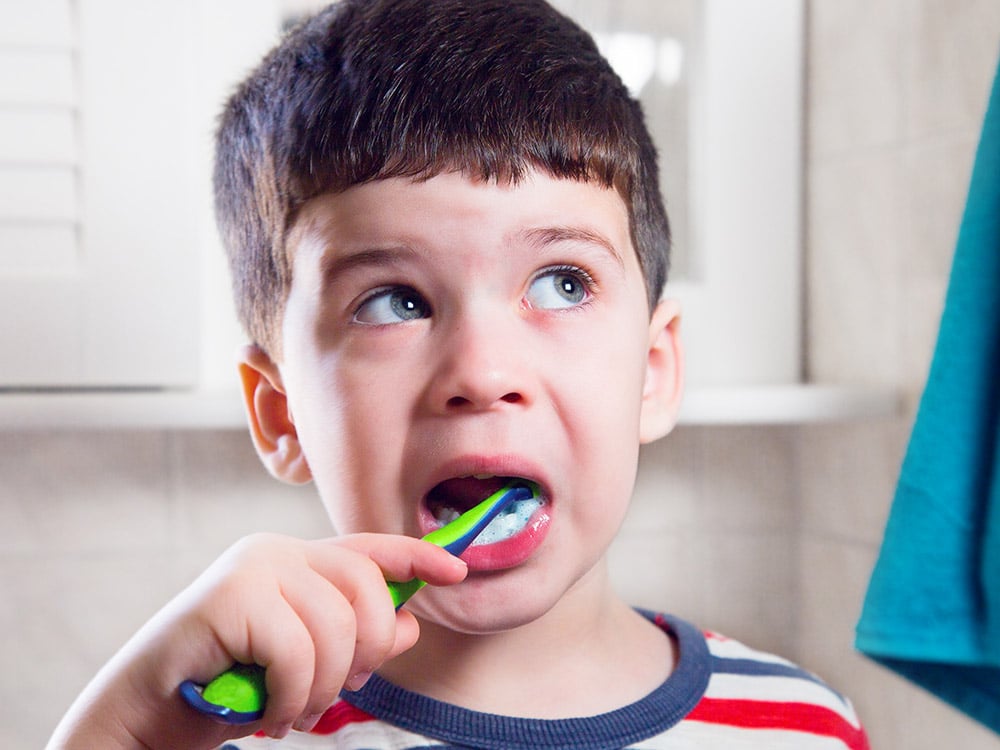
Caring for your child’s teeth at home is crucial. By establishing simple habits early, you help ensure a lifetime of healthy smiles. You hold the power to make dental care a routine your child looks forward to. This blog offers you clear tips to make this process easy and stress-free. Understanding how to brush and floss effectively is key. You also need to know which foods contribute to healthy teeth. If your child faces more complex dental needs, you might explore options like children’s sedation dentistry in Laurel, MD. This can help reduce fear and make visits more comfortable. But routine habits at home serve as a strong foundation. You play a vital role in shaping your child’s dental future. These tips will guide you, empowering you with the knowledge you need to maintain your child’s dental hygiene with compassion. Let’s begin this journey towards a brighter, healthier smile together.
Brushing Techniques
Start with a soft-bristled toothbrush. Use fluoride toothpaste. For children under 3, a rice-sized amount is enough. For children 3 and older, use a pea-sized amount. Brush twice a day, morning and night. Angle the brush towards the gum line. Move it in small circles. Cover every surface of the teeth, inside and out.
Flossing Importance
Flossing removes food particles and plaque between teeth. Begin flossing your child’s teeth as soon as two teeth touch. Use about 18 inches of floss. Wrap it around your fingers, leaving about two inches to work with. Gently slide it between the teeth and curve it around each tooth’s base. Move the floss in a C-shape.
Nutrition for Healthy Teeth
A balanced diet supports dental health. Encourage fruits and vegetables. They stimulate saliva flow, reducing cavities. Limit sugary snacks and drinks. Sugars can lead to tooth decay. Offer cheese, yogurt, and other dairy products. These provide calcium, strengthening the teeth.
Dental Check-ups
Regular dental check-ups are crucial. Visit a dentist every six months. These visits help detect problems early. They also reinforce healthy habits. Children who visit the dentist regularly experience less fear over time. If anxiety is a concern, consider pediatric dentistry options that specialize in children’s needs.
Effective Habits Chart
| Age Group | Brushing | Flossing | Check-ups |
|---|---|---|---|
| Toddlers (1-3 years) | Twice a day | Parent assistance | Every 6 months |
| Preschoolers (3-5 years) | Twice a day | Parent supervision | Every 6 months |
| School Age (6-12 years) | Twice a day | Independent | Every 6 months |
Creating a Routine
Design a consistent schedule. Make dental care part of daily activities. Encourage your child with positive reinforcement. You could use a reward system. Celebrate small milestones, like a cavity-free check-up. This boosts confidence and motivation.
Handling Dental Anxiety
Dental anxiety is common among children. Talk to them about what to expect. Use simple words. Show them videos of dental visits to familiarize them. If anxiety persists, consult your dentist for advice. Some clinics offer sedation options to ease fear.
Conclusion
You play a significant role in your child’s dental health. With these tips, you can foster effective habits early. Remember, a little effort now saves trouble later. Embrace this journey. Your child’s smile will thank you.
