

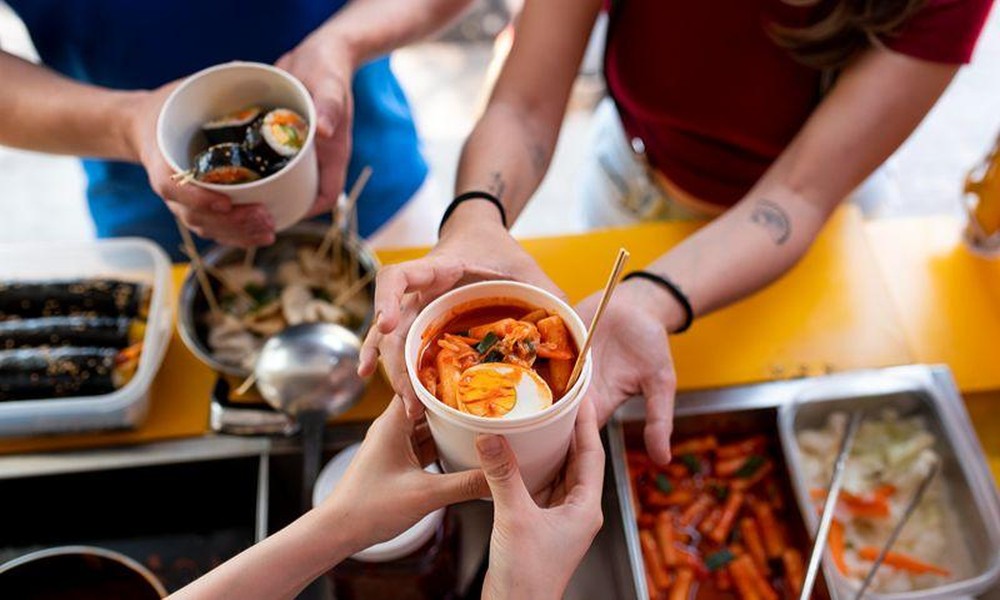
Tiong Bahru is treated as a checklist destination for many newcomers-one café, one viral dish, one photo, then off to the next neighbourhood. That approach misses how the area actually works. Foodies in Tiong Bahru don’t chase highlights; they navigate rhythms, timing, and context. The difference between a rushed visit and a satisfying one often comes down to expectations and habits.
Treating Tiong Bahru Like a Single-Stop Café District
First-time visitors often assume Tiong Bahru is primarily a café enclave, built around a handful of popular brunch spots. They arrive mid-morning, queue, eat, and leave. Seasoned foodies in Tiong Bahru approach the area as a layered food ecosystem. Cafés matter, but they sit alongside kopitiams, bakeries, hawker stalls, and evening-only kitchens that define how locals actually eat here. Instead of anchoring a visit around one venue, experienced diners plan loosely-coffee first, something traditional later, and perhaps a quiet dinner spot after sunset.
Visiting at Peak Hours and Complaining About Queues
Another common mistake is turning up during the most crowded hours and assuming the queues are unavoidable. Weekends between late morning and early afternoon are naturally congested. Regular foodies in Tiong Bahru adjust timing rather than expectations. Early mornings are ideal for bakeries and kopi stops. Late afternoons offer a calmer window for cafés. Evenings are when the neighbourhood becomes more residential again, revealing places that are overlooked by daytime crowds. Timing, rather than tolerance, is the real strategy.
Ignoring the Hawker and Kopitiam Layer
Many first-time visitors walk past older coffee shops without a glance, assuming the “real” food is elsewhere. This approach is where they misread the neighbourhood. Foodies in Tiong Bahru understand that hawker stalls and kopitiams anchor the area’s identity. These are not backup options; they are often the main event. Simple dishes done consistently, long-standing stalls, and neighbourhood regulars tell you more about local taste than any trending menu. Experienced diners alternate between modern and traditional in the same visit, not one or the other.
Chasing Trends Instead of Reading the Neighbourhood
Newcomers often arrive with a saved list from social media and try to tick off every item. This approach creates a rigid experience that leaves little room for discovery. Seasoned foodies in Tiong Bahru observe before deciding. They notice which places are busy without obvious hype, where residents linger, and which stalls have steady queues at off-peak hours. These cues often lead to better meals than chasing the most photographed dish. Flexibility matters more than preparation here.
ALSO READ: First-Timer’s Budget Guide to Healthy New Restaurants in Singapore
Underestimating How Walkable the Area Is
First-time visitors sometimes hop between stops inefficiently, unaware that many good options sit within a few streets of each other. Foodies in Tiong Bahru walk deliberately. They group stops by proximity, allowing appetite and mood to guide choices. This approach makes it easier to add an unplanned snack, skip something overrated, or stay longer at a place that feels right. The neighbourhood rewards wandering more than rigid routes.
Expecting Every Meal to Be “Worth the Hype”
There is also a tendency to judge every meal against high expectations. When something feels ordinary, visitors label the area overrated. Seasoned foodies in Tiong Bahru think differently. Not every dish needs to impress; consistency, comfort, and atmosphere matter just as much. The value lies in how easily good food fits into daily life here, not in constant novelty. Understanding this shift in mindset changes how the neighbourhood is experienced.
Leaving Too Quickly
Perhaps the biggest mistake is treating Tiong Bahru as a short stop rather than a place to settle into. Regular foodies stay longer than planned. They add a second coffee, walk off a meal, or return to the same street at a different time of day. This slower pace reveals why the area continues to attract repeat visits rather than one-off hype.
Conclusion
What first-time visitors get wrong about Tiong Bahru is assuming it needs to be conquered. Foodies in Tiong Bahru approach it with patience, flexibility, and attention to timing rather than trends. Once expectations shift from highlights to habits, the neighbourhood starts to make sense-and that is when it becomes worth returning to.
Visit Taste of SG to eat the way locals do.
